I remember a chaotic Saturday night. My paper logbook was a mess of erasures and smudged ink. Guests waited in the foyer while I tried to keep track of seats.
Then, I switched to a digital restaurant table management system. It changed everything. I could manage floor plans and reservations better. This helped me make more money and kept my staff happy.
Efficiency is the heartbeat of a successful venue. Using modern software gives you an edge. Let’s see how it can change your business for the better.
Key Takeaways
- Digital tools eliminate the errors associated with manual reservation logs.
- Optimizing floor plans leads to a significant increase in daily revenue.
- Automated solutions allow staff to prioritize high-quality service for every visitor.
- Real-time data helps owners make informed decisions about staffing and flow.
- Modern technology provides a distinct competitive advantage in busy dining environments.
The Evolution of Front-of-House Operations
I’ve seen the hospitality world change a lot. It used to be all about paper logs. Now, it’s all about fast and precise digital systems.
Moving Beyond Pen and Paper
Old ways like paper logs often caused mistakes. Like double bookings or hard-to-read notes. Managing a waitlist during busy times was very stressful.
Now, restaurant technology has changed all that. It lets managers see table status live. This means staff can focus more on helping guests.
The Digital Shift in Modern Dining
Today, being connected is key to success. The National Restaurant Association says 80 percent of owners think tech gives them an edge. This helps them make better choices based on real data.
Here’s a table showing old ways vs. new tech:
| Feature | Manual System | Digital System |
|---|---|---|
| Data Accuracy | High risk of error | Automated precision |
| Communication | Verbal/Paper notes | Instant updates |
| Guest Insights | Limited memory | Comprehensive history |
| Efficiency | Slow/Reactive | Fast/Proactive |
Using these new tools is now a must for success. By getting into restaurant technology, you keep your restaurant operations quick and ready for guests’ needs.
Understanding the Core Functions of a Restaurant Table Management System
I see my restaurant management system as the heart of my work. It has key tools that help with everything from keeping track of items to planning staff shifts. This tech is key for keeping things running smoothly, even when it’s busy.
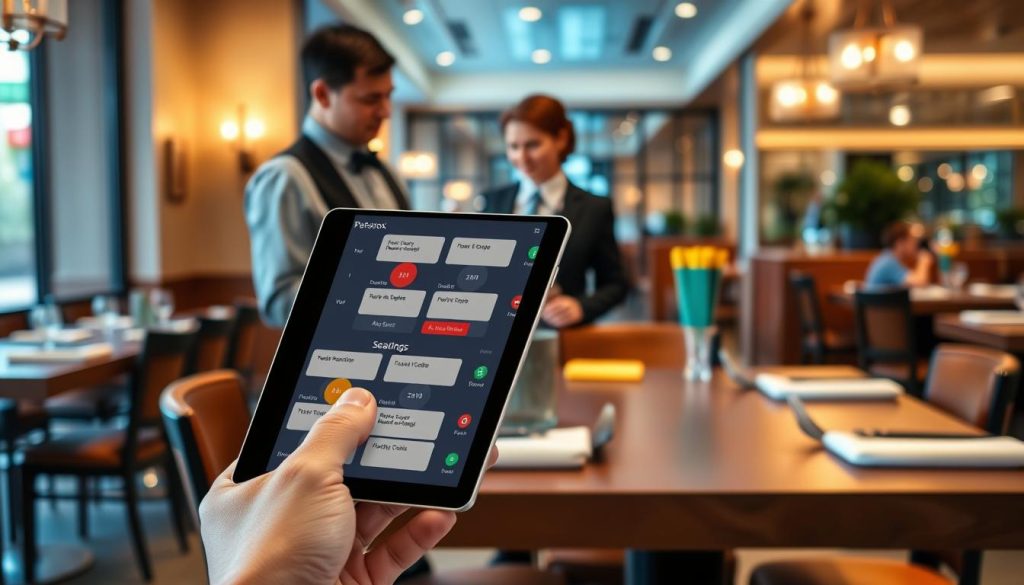
Real-Time Floor Plan Visualization
Managing space well needs clear, visual data. With floor plan optimization, I can see which tables are free, being cleaned, or ready for guests. This view helps me make quick decisions to keep the dining area running smoothly.
Automated Waitlist and Reservation Integration
Dealing with guests without digital help can cause confusion and long waits. An automated waitlist lets me quickly get guest info and give accurate wait times. It works well with my reservation system, handling both walk-ins and booked guests together.
Server Rotation and Section Balancing
I use my restaurant POS to keep server workloads fair. It tracks how many guests each server has served. This lets me adjust sections as needed, preventing servers from getting too tired and making sure guests get great service.
| Feature | Manual Method | Digital System |
|---|---|---|
| Floor Tracking | Paper Charts | Real-Time Updates |
| Waitlist | Handwritten Log | Automated Alerts |
| Server Load | Manager Estimation | Data-Driven Balancing |
| POS Sync | Disconnected | Seamless Integration |
Key Benefits of Implementing Digital Table Management
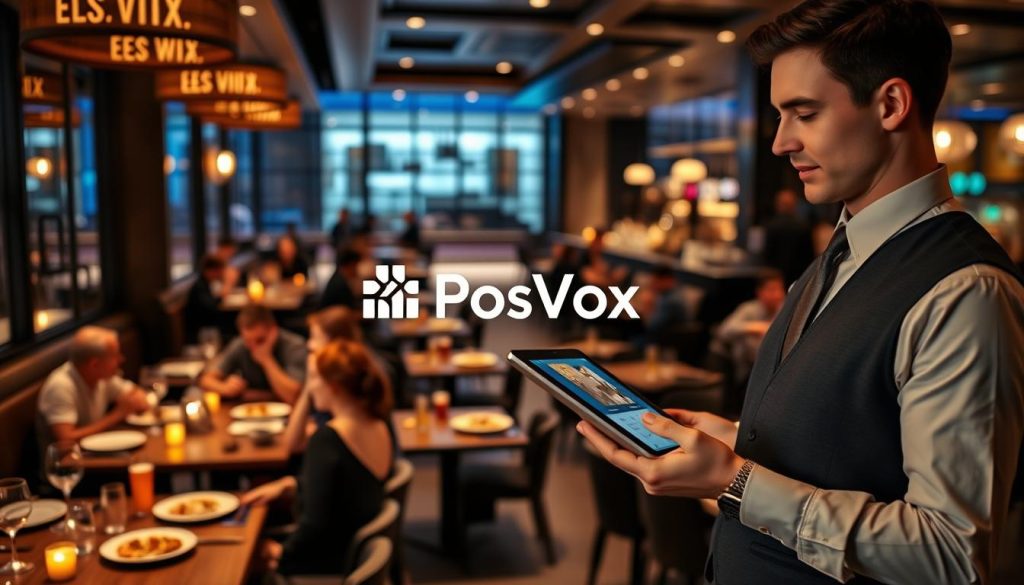
Switching to digital tools has changed how I manage my restaurant floor. I now have better control over the dining room. This move to digital table management helps me make quick, smart decisions.
Reducing Wait Times and Improving Guest Satisfaction
The automated waitlist has been a big help. It tells guests exactly when a table will be ready. This makes them happier and less likely to leave.
When guests know when they’ll be seated, they wait better. This keeps my entrance area calm. Happy guests come back more often.
Maximizing Table Turnover Rates
Being efficient is key for a successful restaurant. With real-time data, I know when a table is ready for the next guests. This means more guests and more money.
The system also cuts down on empty tables. This makes every seat count. It turns my dining room into a money-maker.
Enhancing Communication Between Front and Back of House
Good FOH efficiency needs teamwork with the kitchen. My system tells the kitchen about big parties or rushes. This keeps food coming out smoothly.
When the kitchen knows what’s coming, food flows better. This makes my staff less stressed. Guests get their food on time.
The table below shows how things have improved with digital tools.
| Metric | Manual Process | Digital System |
|---|---|---|
| Wait Time Accuracy | Low (Estimated) | High (Real-time) |
| Table Turnover Speed | Slow/Inconsistent | Optimized/Fast |
| Staff Communication | Verbal/Fragmented | Automated/Unified |
| Revenue | Limited | Increased |
Selecting the Right Software for Your Establishment
Finding the right digital tools is key to modernizing your dining room. A good platform fits your workflow, keeping your team productive. Careful planning here avoids future mistakes.
Assessing Your Restaurant Size and Complexity
I check the restaurant management system before choosing. A small bistro needs different tools than a big place. I want software that grows with my business.
Small restaurants pay $50 to $500 a month for basic tools. This helps my staff without breaking the bank. Choosing the right fit means finding tools that work for me.
Evaluating Integration Capabilities with Existing POS Systems
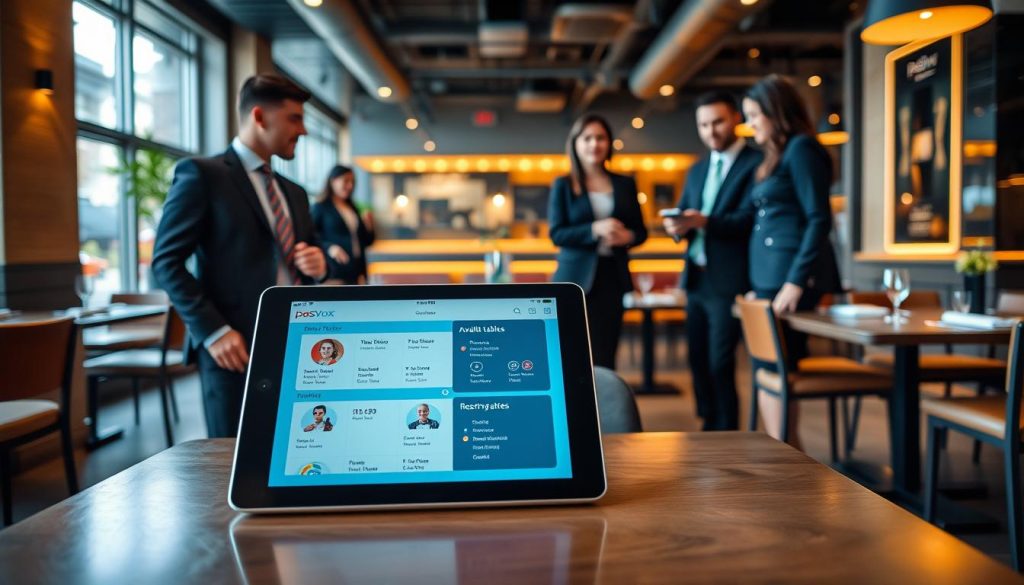
Good data flow is key for my whole operation. I look for software that works well with my restaurant POS. This keeps my sales and seating charts in sync.
When my restaurant technology works well, I avoid mistakes. I don’t want systems that keep data separate. Reliable integration is important for a modern restaurant.
Considering Cloud-Based Accessibility and Mobile Support
Cloud-based digital table management is very flexible. It lets me check the floor from anywhere. This helps me keep standards high.
Mobile support lets my team update seating on the fly. Using modern restaurant technology helps us serve guests fast. Cloud accessibility changes how I run my day.
Best Practices for Training Your Staff
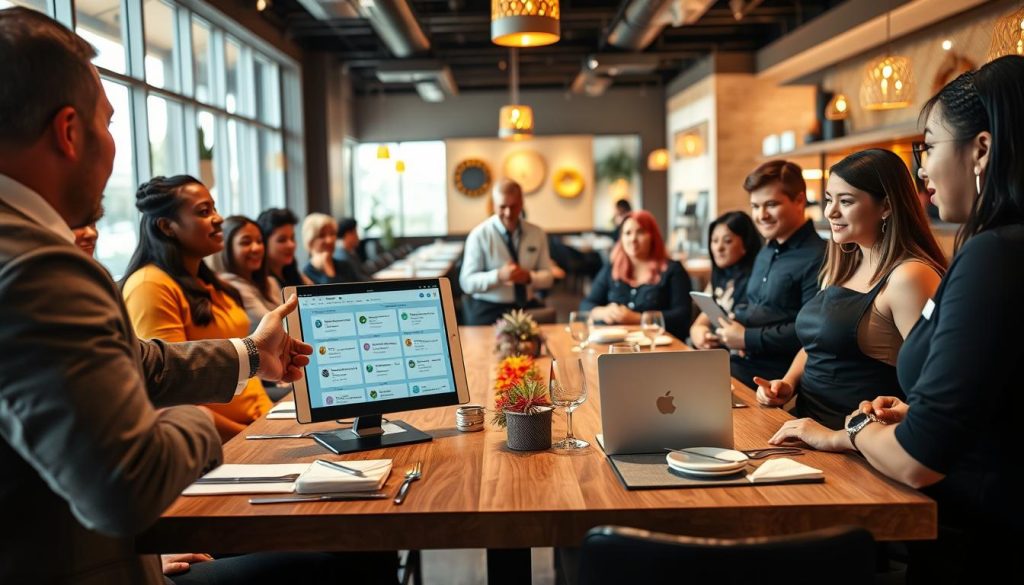
I’ve learned that the key to a smooth transition in my restaurant is preparing my team for new digital tools. Restaurant staff training is key to overcoming the initial hesitation with digital systems. By spending time on education, my team feels confident and ready from the start.
Overcoming Resistance to New Technology
Change can be tough for a busy team. But, I make it easier by giving clear, hands-on guidance. When I brought in my current system, I used Yelp Guest Manager’s onboarding manager. This expert help made my team feel supported, not overwhelmed.
I teach my team to see these tools as helpers, not hurdles. When they see how they make work easier, they start to like them. Empowerment helps them stick with it long-term.
Standardizing Data Entry and Seating Protocols
Being consistent is key to efficient restaurant operations. I’ve made rules for how hosts and servers enter guest data. This keeps our floor plan right all shift.
Having clear rules for logging reservations and walk-ins removes confusion. My team knows how to handle guest preferences and special requests. This detail makes every diner’s visit smooth.
Monitoring Performance Metrics for Continuous Improvement
I use restaurant analytics to check how well my team uses our digital tools. By looking at metrics, I spot and fix workflow problems. This keeps our restaurant operations top-notch.
I share these insights with my team to build a culture of openness and growth. When they see how their work affects our restaurant analytics, they care more. Here’s how I measure our training success.
| Training Metric | Goal | Impact on Operations |
|---|---|---|
| System Adoption Rate | 100% Usage | Higher data accuracy |
| Entry Speed | Under 30 Seconds | Reduced guest wait times |
| Error Frequency | Less than 2% | Improved table turnover |
| Staff Confidence | High Proficiency | Better team morale |
Optimizing Seating Strategies for Peak Hours
I know the secret to a great shift is managing the floor well during busy times. A good seating strategy keeps guests happy and service fast. I make sure my team stays cool, even when it’s packed.
Dynamic Table Combining and Splitting
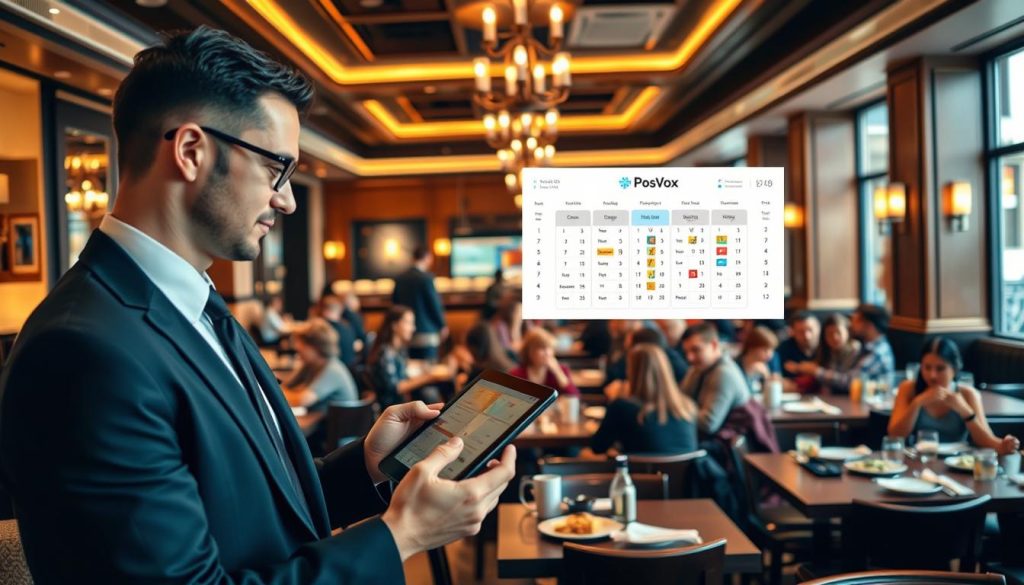
Being flexible is key for me. I use my restaurant POS to join tables for big groups. This way, we keep service smooth and fast.
- Identify modular table sets that allow for quick reconfiguration.
- Keep a clear visual map of the floor to avoid blocking high-traffic aisles.
- Ensure that splitting tables does not create awkward gaps in service zones.
Managing Large Party Requests Efficiently
Dealing with big groups needs careful planning. I use digital waitlists for accurate wait time quotes. This keeps my team focused on being friendly, not on math.
“The ability to predict guest arrival patterns allows us to turn possible bottlenecks into smooth dining experiences.”
When big groups come, I place them in areas that are easy to manage. This keeps servers from getting too busy and the kitchen running smoothly. Clear communication between the host stand and the floor is key.
Predictive Analytics for Staffing and Inventory
I use restaurant analytics to plan for the future. By looking at past data, I know how many staff I need to keep our restaurant revenue up.
This info also helps me order the right amount of food. I order just enough to meet the expected number of guests. This way, we’re ready for the rush without wasting anything.
Common Pitfalls to Avoid During Implementation
Switching to a new system can be tough for restaurant owners. Many places do well with digital table management. But, some mistakes can slow things down. Success needs more than just software; it needs careful daily work.
Over-Reliance on Automation at the Expense of Hospitality
An automated waitlist can’t replace a warm welcome. Technology should help, not take over. A real smile and a friendly hello are key.
“The best technology in the world cannot replace the human touch that makes a guest feel truly welcome in your dining room.”
Ignoring Technical Support and Maintenance Needs
Many managers forget to keep their software updated. This can cause big problems during busy times. I always check in with my tech team to keep things running smoothly.
Here’s a table showing how keeping up with maintenance helps your business:
| Maintenance Action | Frequency | Operational Impact |
|---|---|---|
| Software Updates | Monthly | Reduces system bugs |
| Hardware Cleaning | Weekly | Extends device lifespan |
| Staff Refresher Training | Quarterly | Improves table turnover |
Failing to Update Floor Plans Regularly
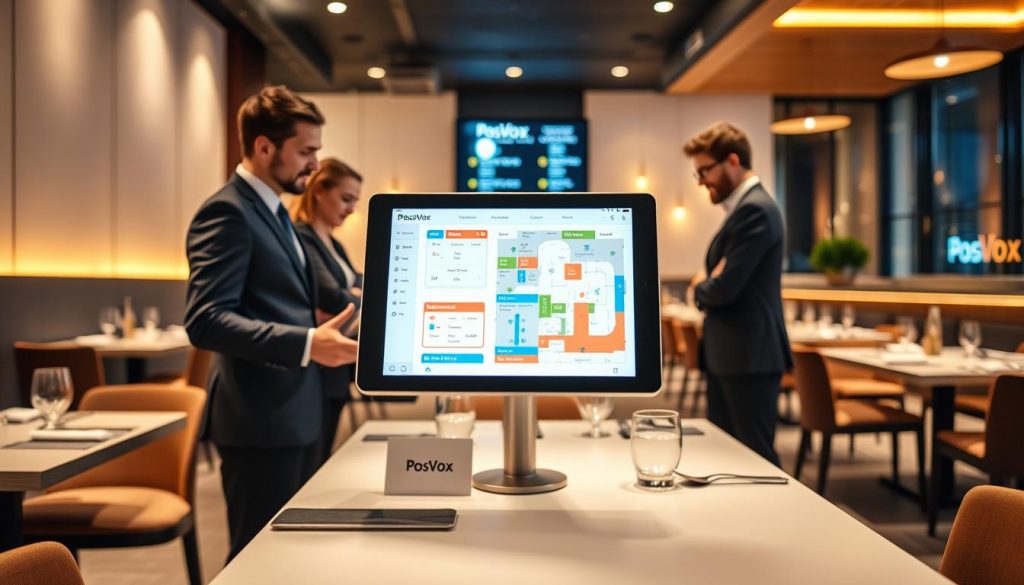
Your dining room layout changes, but many forget to update their digital maps. Floor plan optimization is key for good seating and managing space. If your digital map is out of date, seating gets hard.
Regular restaurant staff training helps avoid these problems. When my team knows how to update the system, they do a great job. Yelp Guest Manager users have seen no-show rates drop below 10% by keeping things accurate. By avoiding these common mistakes, your investment will pay off in efficiency and guest loyalty.
The Future of Table Management and Guest Experience
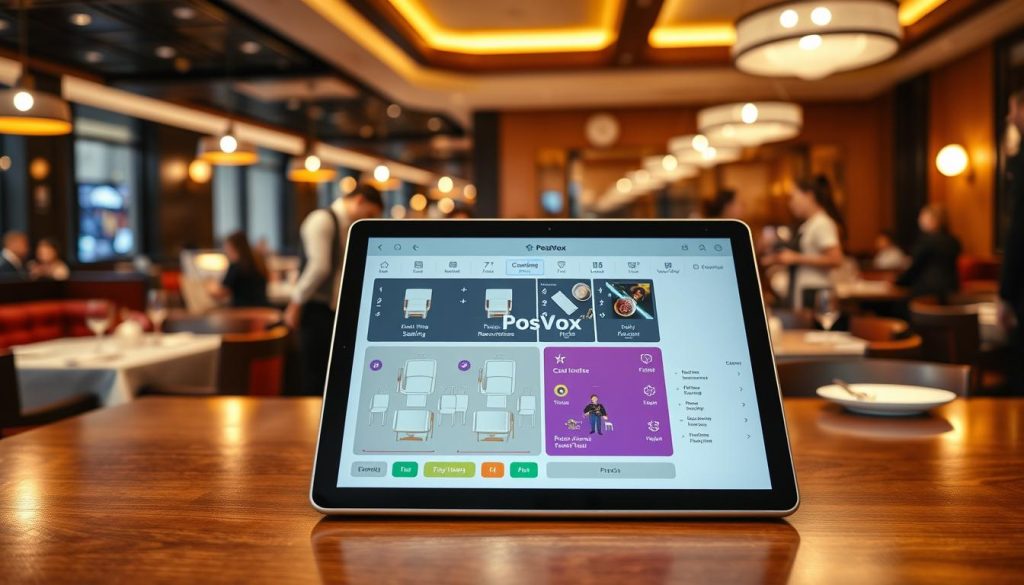
Looking ahead, I see tech changing how I meet guests. The restaurant table management system is evolving. It’s not just about empty chairs anymore. It’s about making every visit special from booking to payment.
Artificial Intelligence in Predictive Seating
Artificial intelligence is making my seating strategy better. It predicts guest behavior with great accuracy. This means my staff is always ready and guests feel special.
With restaurant analytics, I can see when it will get busy. I can then adjust my layout in real-time. This keeps my guest experience top-notch, even when it’s busy.
Integration with Guest Loyalty and CRM Platforms
Connecting my system with CRM platforms helps me reward loyal guests. I can quickly see what guests like and what they’re celebrating. This makes every visit special.
Knowing a guest’s favorite wine or their anniversary helps me make their visit unforgettable. These personal touches boost restaurant revenue and loyalty. With these tools, my seating strategy stays sharp, and my restaurant analytics guide my growth.
Conclusion
Modernizing my approach to hospitality means going digital. I see a strong restaurant management system as key to growth and stability.
Improving my daily operations lets me focus on guests more. I spend less time on paperwork and more on talking to people. This makes everything run smoothly for my team and guests.
Using data for seating is at the heart of my service. It helps me make the most of every table during busy times. This approach makes my service better and helps me stand out.
Take a look at how you manage your space today. Making small changes can really help your bottom line and team happiness. Start using these digital tools to make your business better.