
Do you ever feel the weight of chasing the next big sale just to keep your business afloat? Many IT providers know the exhaustion of relying on one-time transactions that leave your bank account vulnerable to market shifts. It is time to trade that constant uncertainty for the peace of mind that comes with a stable financial future.
Transitioning toward a model focused on pos agent recurring revenue can transform your daily operations. By securing consistent income streams, you gain the freedom to focus on long-term growth rather than immediate survival. This shift is not just about numbers; it is about building a resilient legacy that stands the test of time.
Our blueprint offers a clear path for IT providers to modernize their business strategy. Embracing pos agent recurring revenue allows you to predict cash flow with confidence and secure your position in a competitive landscape. Let us explore how you can build a sustainable business that works for you, day after day.
Key Takeaways of pos agent recurring revenue
- Shift from volatile one-time sales to predictable subscription models.
- Improve long-term cash flow stability for your business.
- Strengthen your market position through consistent service delivery.
- Reduce the stress of chasing new leads to cover monthly expenses.
- Create a scalable blueprint for sustainable growth in the tech sector.
Why is the shift to recurring revenue essential for modern POS businesses?
The landscape of the POS business is undergoing a massive transformation driven by the subscription economy. With this market expected to reach a staggering $1.5 trillion by 2026, companies that rely solely on one-time hardware sales are finding it increasingly difficult to compete. Adapting to this new financial reality is no longer optional; it is a requirement for long-term survival.
Moving beyond the break-fix hardware model
Traditional models often trapped providers in a cycle of reactive, “break-fix” service. This approach limits growth because revenue is only generated when something goes wrong. By shifting to a recurring model, your POS business can focus on providing consistent value rather than waiting for equipment failures.
“The most successful service providers are those who stop selling products and start selling outcomes. Recurring revenue turns a transactional relationship into a long-term partnership.”
Transitioning away from hardware-only sales offers several distinct advantages for your operations:
- Predictable cash flow that allows for better long-term planning.
- Increased customer loyalty through ongoing support and engagement.
- Reduced reliance on the volatile cycle of hardware upgrades.
The impact of SaaS and cloud-based POS systems on profitability
Modern POS systems are now built on SaaS architectures that prioritize flexibility and scalability. Unlike legacy software, these cloud-based platforms allow for seamless updates and feature enhancements without requiring a technician to visit the site. This efficiency significantly boosts profit margins for providers.
When you offer SaaS solutions, you provide your clients with the latest tools automatically. This keeps their operations running smoothly while ensuring your revenue stream remains stable. Embracing these cloud-based POS systems is the most effective way to stay relevant in a market that demands constant innovation and reliability.
What are the primary sources of pos agent recurring revenue?
Building a sustainable business requires moving beyond one-time hardware sales toward reliable income streams. By diversifying how you generate cash flow, you create a financial buffer that protects your company against market volatility. This shift is essential for any pos agent recurring revenue strategy aiming for long-term growth.

Payment processing residuals and merchant services
The foundation of many successful POS businesses lies in payment processing residuals. When you facilitate transactions for your clients, you earn a small percentage of every swipe, dip, or tap. This model scales naturally as your clients grow their own sales volume.
The global value of recurring payments reached 130.2 billion US dollars in 2022, highlighting the massive scale of this industry. By offering comprehensive merchant services, you provide value that keeps clients tied to your ecosystem for years. This creates a predictable monthly income that hardware sales simply cannot match.
“The transition to a subscription-based economy is not just a trend; it is the new standard for operational longevity in the retail technology sector.”
Software-as-a-Service (SaaS) licensing and subscription fees
Modern retail environments rely heavily on cloud-based platforms. By shifting to a SaaS model, you move away from large, infrequent software purchases toward consistent monthly subscription fees. This approach offers several distinct advantages for your business:
- Predictable cash flow that simplifies financial planning.
- Higher customer retention rates due to ongoing software updates.
- Reduced friction when deploying new features or security patches.
Clients appreciate this model because it lowers their upfront capital expenditure. They gain access to powerful tools without the burden of managing local servers or complex software licenses.
Managed IT services and remote monitoring contracts
Beyond payments and software, managed IT services provide a critical layer of stability. By offering remote monitoring and management (RMM), you ensure your clients’ systems remain operational around the clock. This proactive stance prevents costly downtime and builds deep trust.
Proactive maintenance is far more valuable to a business owner than reactive repairs. When you bundle these services into a monthly contract, you secure your position as an indispensable partner. This strategy transforms your role from a simple vendor into a vital component of your client’s daily success.
How can IT providers transition their existing client base to subscription models?
Successful IT providers know that moving clients to subscription models is the key to predictable cash flow. This shift requires a thoughtful approach that balances your business goals with the needs of your long-term partners. By moving away from unpredictable project-based work, you create a foundation for sustainable growth.
Auditing current service agreements for recurring potential
The first step in this transition involves a deep dive into your existing client contracts. You must identify which legacy agreements are ripe for conversion into recurring revenue streams. Look for clients who frequently request ad-hoc support, as these are the perfect candidates for a shift toward a managed service agreement.
During your audit, categorize your services by their ability to be bundled. Standardizing your offerings allows you to move from hourly billing to a flat monthly fee. This process not only simplifies your internal accounting but also provides your clients with a clear, predictable cost structure.

Communicating the value of proactive maintenance over reactive repairs
Many clients are accustomed to the “break-fix” mentality, where they only pay when something goes wrong. Your job is to demonstrate that proactive maintenance is far more cost-effective than waiting for a system failure. Emphasize that your new subscription models prioritize uptime and security over emergency repairs.
Use data to show how regular monitoring prevents costly downtime that disrupts their daily operations. When clients understand that you are investing in their long-term stability, they are much more likely to embrace a recurring fee. Frame your service as an insurance policy against technical disasters rather than just another monthly expense.
What role does payment processing play in long-term revenue stability?
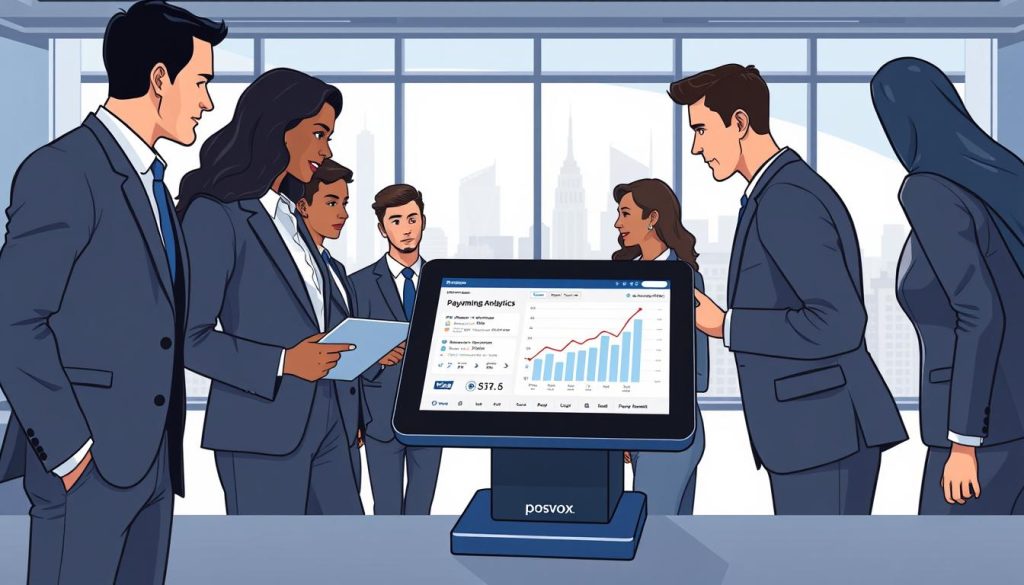
For POS agents, the secret to predictable growth often lies hidden within the mechanics of merchant services. By integrating these systems into your core offering, you transform one-time sales into a reliable engine for future success.
Recurring payments regulate and predict cash flow, providing businesses with greater financial control and foresight. This stability allows you to plan for future investments and expansion with much higher confidence.
Understanding the economics of merchant services
The financial health of a modern POS business relies heavily on transaction-based residuals. These small, consistent fees accumulate over time, creating a steady stream of income that persists long after the initial hardware installation.
When you master the economics of payment processing, you move away from the volatility of the break-fix cycle. This shift ensures that your revenue remains consistent even during slower sales periods.
“The goal is not just to make a sale, but to build a system that generates value every single day.”
Building partnerships with reliable payment gateways
Selecting the right partner is just as important as the technology itself. A reliable gateway ensures that funds are collected securely and efficiently, which minimizes downtime and protects your reputation with clients.
By aligning with trusted providers, you offer your merchants a seamless experience that encourages long-term loyalty. This recurring payments strategy is the foundation of a resilient business model that stands the test of time.
Ultimately, your ability to manage payment processing effectively will define your competitive edge. Prioritizing these merchant services creates a predictable path toward sustainable growth in the United States market.
How do you price recurring service packages for maximum retention?
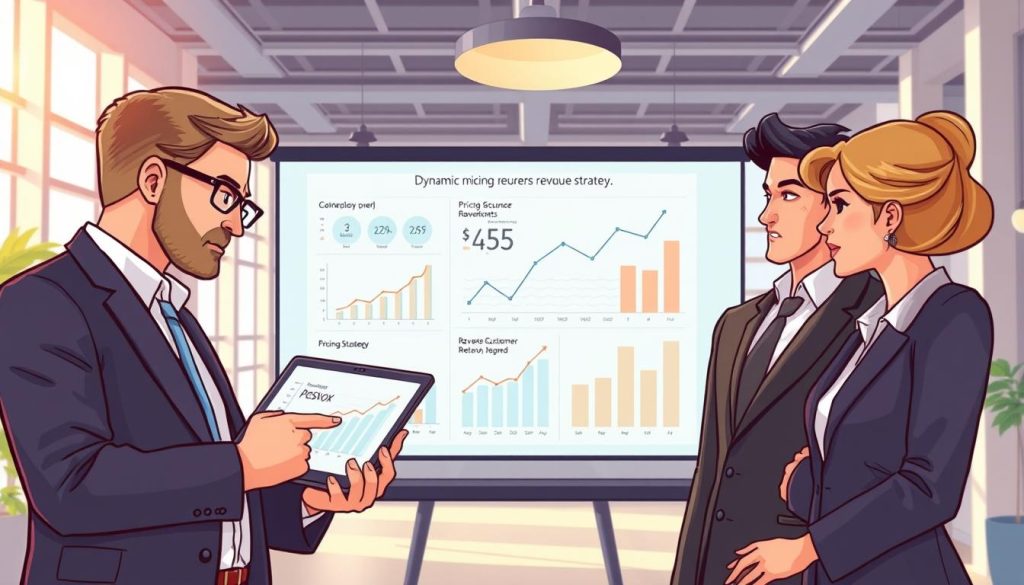
Developing a robust recurring revenue strategy requires a careful balance between competitive pricing and long-term value. When you move away from one-time sales, your pricing structure becomes the primary driver of client loyalty and business health. By aligning your costs with the specific needs of your clients, you create a predictable financial foundation that supports growth.
Tiered pricing strategies for small to medium-sized businesses
Small to medium-sized businesses (SMBs) often have varying needs depending on their growth stage. Offering a tiered recurring revenue strategy allows you to capture a wider market while providing clear upgrade paths. This approach ensures that clients only pay for the features they currently require.
- Basic Tier: Essential POS software access and standard email support.
- Professional Tier: Includes advanced reporting, inventory management, and priority phone support.
- Enterprise Tier: Full-service management, 24/7 monitoring, and dedicated account management.
Bundling hardware, software, and support into a single monthly fee
Simplifying the billing process is a powerful way to improve customer retention. By bundling hardware, software, and support into one monthly invoice, you remove the friction of multiple payments. This all-in-one approach makes your service feel like an indispensable utility rather than a series of disconnected expenses.
Clients appreciate the predictability of a flat monthly fee. It allows them to budget more effectively, which strengthens the partnership between you and the merchant. When you provide a comprehensive solution, you become a strategic partner rather than just another vendor.
Calculating the cost of goods sold (COGS) for service bundles
To maintain profitability, you must accurately calculate the COGS for every bundle you offer. Failing to account for hidden costs, such as remote monitoring software licenses or payment gateway fees, can quickly erode your margins. Use the following table to track your expenses and ensure your recurring revenue strategy remains sustainable.
| Component | Monthly Cost | Profit Margin |
|---|---|---|
| POS Software License | $40 | 25% |
| Hardware Lease | $60 | 15% |
| Support & Monitoring | $30 | 40% |
Always review these figures quarterly to adjust for inflation or changes in vendor pricing. Maintaining a healthy margin ensures that you can continue to provide high-quality service without compromising your bottom line. Precision in your calculations is the key to long-term success in the subscription economy.
What are the most effective tools for managing recurring billing cycles?
Efficiency in your financial operations starts with the right tools for managing recurring payments. Many businesses struggle to scale because they rely on outdated, manual methods that consume valuable time. Research shows that 73% of small businesses still depend on manual processes for core operations like invoicing and scheduling, which often leads to costly errors and delayed revenue collection.

Automating invoicing to reduce administrative overhead
Transitioning to automated invoicing is the most effective way to reclaim lost hours and improve cash flow predictability. By removing the need for manual data entry, you significantly reduce the risk of human error in your billing cycles. This shift allows your team to focus on high-value tasks rather than chasing down late payments or correcting simple math mistakes.
Modern platforms provide recurring billing features that trigger invoices automatically based on your predefined schedules. This ensures that your clients receive their bills on time, every time, without requiring constant oversight. Consistent billing cycles foster trust and improve the overall customer experience, making it easier to retain clients over the long term.
Integrating billing software with CRM and accounting platforms
A truly efficient system requires more than just standalone billing tools. You must integrate your billing software with your existing CRM and accounting platforms to maintain a unified view of financial data. This integration eliminates data silos and ensures that your sales, support, and finance teams are always looking at the same information.
When your CRM talks to your accounting software, you gain deep insights into customer behavior and payment history. This connectivity allows for seamless updates to client records whenever a payment is processed or a subscription is modified. The following table outlines the operational differences between manual and integrated billing management systems.
| Feature | Manual Process | Integrated System |
|---|---|---|
| Data Entry | High (Manual) | Low (Automated) |
| Error Rate | Frequent | Minimal |
| Reporting | Delayed | Real-time |
| Scalability | Limited | High |
How can POS agents leverage value-added services to increase monthly recurring revenue?
Smart pos agent recurring revenue strategies often rely on moving beyond simple hardware maintenance. By solving complex operational challenges for retailers, you can transform your business into an indispensable partner. This shift not only stabilizes your income but also significantly boosts your customer lifetime value.

Offering advanced inventory management and reporting modules
Retailers today struggle with data overload and inefficient stock tracking. By providing advanced inventory management modules, you help clients optimize their supply chains and reduce waste. These tools provide actionable insights that allow business owners to make smarter purchasing decisions.
Furthermore, integrating reputation management tools can be a game-changer. Research shows that businesses that respond to 100% of reviews see 12% higher revenue on average. When your POS systems include automated review tracking, you provide immediate, measurable value that justifies a higher monthly subscription fee.
“The most successful service providers are those who stop selling products and start selling outcomes that improve the client’s bottom line.”
Providing cybersecurity and data backup solutions for retail clients
Modern POS systems are prime targets for cyber threats, making security a top priority for every merchant. Offering managed cybersecurity services creates a recurring revenue stream while protecting your clients from devastating data breaches. You can bundle these services with automated cloud backups to ensure business continuity.
This proactive approach builds deep trust and long-term loyalty. When you secure a client’s data, you are no longer just a vendor; you become a critical part of their infrastructure. The following table illustrates how these value-added services compare to traditional break-fix models.
| Service Type | Revenue Model | Client Impact |
|---|---|---|
| Hardware Repair | Reactive/One-time | Low |
| Inventory Analytics | Monthly Subscription | High |
| Cybersecurity Suite | Monthly Subscription | Critical |
By focusing on these high-impact areas, you effectively increase your customer lifetime value. This strategy ensures that your pos agent recurring revenue remains resilient against market fluctuations and competitive pressure.
What are the common pitfalls to avoid when building a recurring revenue stream?
Transitioning to a recurring revenue stream requires more than just a new pricing strategy; it demands a careful navigation of common operational pitfalls. Many providers focus heavily on the initial sale, forgetting that the true value of a subscription model lies in long-term client retention and consistent service delivery.
Avoiding these mistakes is essential for maintaining a healthy, scalable business. By identifying potential risks early, you can build a foundation that supports steady growth rather than constant crisis management.
Underestimating the cost of customer acquisition and churn
One of the most dangerous traps is failing to account for the true cost of acquiring a new client. Many businesses focus on the monthly fee without considering the marketing, sales, and onboarding expenses required to secure that contract.
High churn rates act as a silent killer for subscription models. If you lose clients faster than you can replace them, your profitability will inevitably decline. Sustainable growth depends on keeping your existing customers happy while keeping acquisition costs within a manageable range.
Over-promising on service level agreements (SLAs)
It is tempting to offer aggressive service guarantees to win over new clients. However, over-promising on service level agreements often leads to significant operational strain. When your team cannot meet these high expectations, client trust erodes quickly.
To maintain consistency, implement automated invoicing to streamline your billing cycles and reduce administrative errors. This allows your team to focus on delivering the actual service rather than chasing payments or fixing manual billing mistakes.
“The goal of a successful business is not just to acquire customers, but to build a relationship that provides value over the long term.”
The following table highlights how specific pitfalls can impact your business operations and overall financial health.
| Pitfall | Operational Impact | Financial Consequence |
|---|---|---|
| High Churn Rate | Increased focus on replacement | Reduced lifetime value |
| Aggressive SLAs | High staff burnout | Increased support costs |
| Manual Billing | Administrative bottlenecks | Revenue leakage |
How do you measure the success of your recurring revenue strategy?
Evaluating the performance of a recurring revenue strategy is vital for long-term growth in the POS industry. Many providers find that shifting to a subscription model changes how they view daily operations. It is important to remember that 70 percent of companies’ revenue is generated after customers become subscribers, making retention a top priority.
Key performance indicators for subscription-based businesses
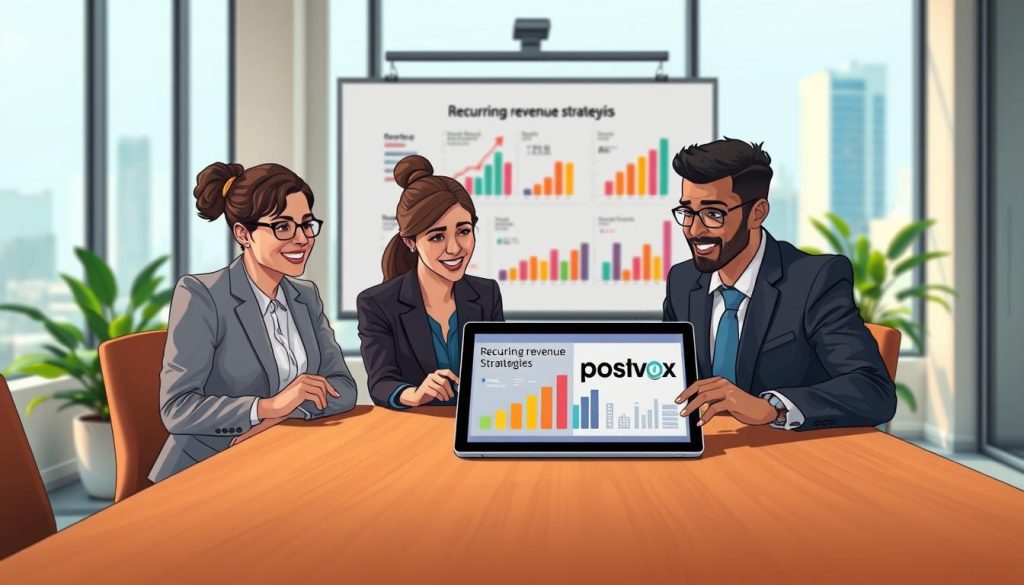
To maintain a healthy POS business, you must track specific metrics that signal financial stability. Monthly Recurring Revenue (MRR) serves as the primary pulse of your income, while Churn Rate reveals how many clients you lose over a set period. Monitoring these figures allows you to identify trends before they impact your bottom line.
Another essential metric is the Average Revenue Per User (ARPU). By analyzing this, you can determine which service tiers provide the most value to your clients. Consistent tracking of these indicators ensures that your business remains agile and responsive to market shifts.
Analyzing customer lifetime value (CLV) versus acquisition costs
The relationship between customer lifetime value and the cost to acquire a new client is the ultimate test of profitability. If your acquisition costs exceed the total revenue a client generates over their time with you, your model is not sustainable. You must aim for a healthy ratio where the long-term gain significantly outweighs the initial investment.
Focusing on customer lifetime value helps you justify higher marketing spends for high-quality leads. When you understand the total worth of a client, you can make smarter decisions about service bundles and support levels. This data-driven approach is the key to scaling your operations effectively while maintaining a profitable POS business.
What strategies help in scaling a recurring revenue business model?
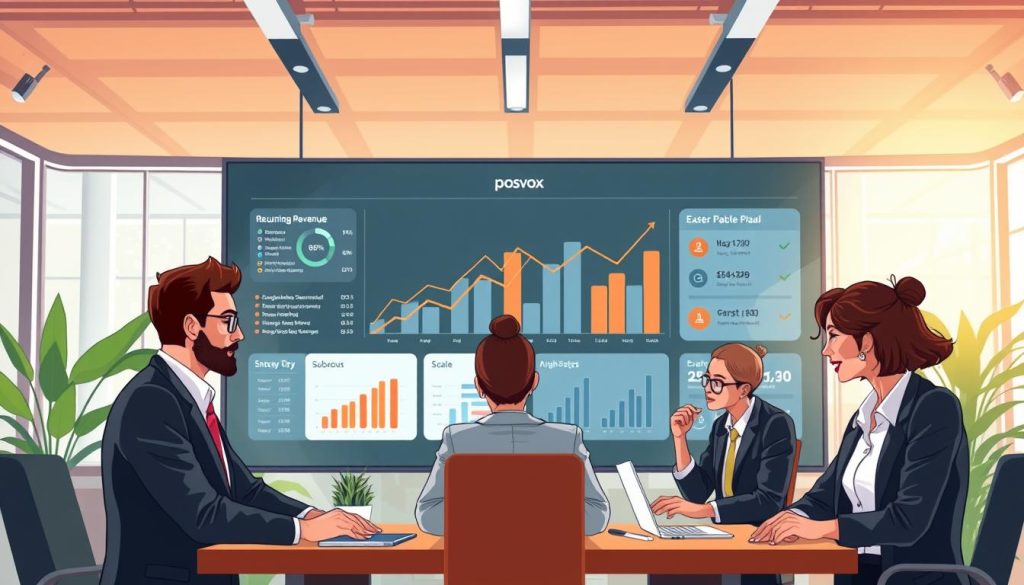
To thrive in the current subscription economy, providers must prioritize scalable internal processes. Scaling is not just about adding more clients; it is about increasing your capacity to serve them without a proportional increase in overhead costs. By focusing on repeatable systems, you ensure that your business remains profitable as it grows.
Standardizing service offerings to improve operational efficiency
Standardization is the backbone of any successful service-based business. When you offer a uniform set of packages, your team can deploy solutions much faster, reducing the time spent on custom configurations. This consistency allows you to maintain high service quality while managing a larger client base.
Consider implementing these core practices to streamline your operations:
- Create standardized deployment checklists for every new client onboarding.
- Develop pre-configured hardware and software bundles to minimize setup errors.
- Use automated monitoring tools to resolve common issues before they escalate.
Investing in sales training for recurring revenue growth
Even the best service packages will fail to scale if your team cannot articulate their value. Investing in specialized sales training is essential for teams transitioning to subscription models. Your sales staff must move away from selling one-time hardware and instead focus on the long-term benefits of ongoing support.
Effective training should empower your team to highlight the predictable ROI that clients gain from your services. When your sales representatives understand how to communicate the value of continuous updates and security, they become partners in your clients’ success. This shift in perspective is fundamental to building a loyal, long-term client base that supports your growth objectives.
How does the regulatory landscape affect recurring revenue in the POS industry?
Compliance serves as the bedrock for any company managing recurring billing cycles in today’s digital economy. As businesses shift toward subscription-based models, the legal requirements surrounding financial transactions become increasingly complex. Providers must prioritize security to maintain the trust of their merchant clients.
Staying compliant with PCI-DSS and data privacy regulations
PCI-DSS compliance is a mandatory requirement for any business handling cardholder data within a recurring billing environment. Failing to meet these standards can lead to severe financial penalties and a loss of processing privileges. It is essential to implement robust encryption and tokenization to protect sensitive information at every stage of the transaction lifecycle.
Beyond payment security, data privacy laws like the CCPA or GDPR require strict oversight of how customer information is stored. Protecting client data is not just a legal obligation but a vital strategy for long-term growth in the POS industry. Companies that demonstrate a commitment to privacy often see higher retention rates among their merchant base.
“Trust is the currency of the modern digital economy; without rigorous compliance, the foundation of any recurring revenue model will eventually crumble.”
Navigating changes in payment industry standards
The POS industry is constantly evolving, with new security protocols emerging to combat sophisticated cyber threats. Staying ahead of these changes requires a proactive approach to system updates and software patches. When billing standards shift, providers must ensure their platforms remain compatible to avoid service interruptions.
The following table outlines the critical areas where compliance impacts operational stability for service providers:
| Compliance Area | Primary Objective | Impact on Revenue |
|---|---|---|
| PCI-DSS | Cardholder Data Security | High (Prevents Fines) |
| Data Privacy | Consumer Information Protection | Medium (Brand Reputation) |
| EMV Standards | Fraud Reduction | High (Liability Shift) |
| API Security | System Integration Safety | Medium (Service Uptime) |
By integrating these standards into the core of your business strategy, you create a resilient framework for growth. Consistent monitoring of regulatory updates ensures that your recurring billing processes remain secure, compliant, and profitable for years to come.
Conclusion
Building a sustainable business requires a shift toward predictable income streams. The subscription economy provides a clear path for IT providers and agents to achieve financial stability. By moving away from one-time hardware sales, you create deeper connections with your clients.
Success in the modern POS industry depends on your ability to deliver ongoing value. Focus on bundling essential services like cybersecurity and remote monitoring to keep your clients engaged. These proactive measures turn your business into a vital partner rather than a simple vendor.
Efficiency remains a core pillar of this transition. Use automated billing tools to manage your recurring cycles and maintain strict compliance with industry standards. These steps protect your revenue and build trust with every merchant you serve.
The landscape of the POS industry continues to evolve at a rapid pace. Companies that embrace the subscription economy today position themselves for lasting profitability. Start your transition now to ensure your business remains a leader in this competitive market.