Ever thought if your security is really helping your business? Or is it just letting money slip away? Many store owners use old methods that don’t stop internal theft. Watching cameras and doing manual checks aren’t enough for today’s stores.
To keep up, businesses need better retail loss prevention techniques. Using advanced POS integration lets managers link sales data to video proof. This combo makes sure every action at the register is tracked.
This new approach keeps your profits safe and encourages honesty. See how new tech turns your security from just reacting to actively preventing problems.
Key Takeaways of Retail Loss Prevention
- Modern security needs to link sales data with video monitoring.
- Old systems often miss out on clever employee scams.
- POS integration gives live updates on every register action.
- Being proactive cuts down on lost sales and money issues.
- Security based on data helps create a truthful work environment.
The Evolving Landscape of Internal Retail Shrink
The modern retail world faces new challenges. Internal theft is a big problem, causing nearly one-third of all lost items in the U.S.
This issue hurts retail profitability a lot. When employees cheat, it affects the whole company. Knowing the size of this problem is key for business owners to protect their stores.
Retail shrinkage happens in many ways. It can be simple mistakes or big scams. Employees might use store systems to cheat, like giving back money they shouldn’t.
Understanding these threats helps store owners choose the right security. It’s not just about catching cheaters. It’s about making a store where everyone is honest. Fighting internal theft helps keep a store profitable and successful.
Why Traditional Monitoring Fails Modern Retailers
Retailers are losing billions because their security systems don’t talk to each other. These old tools work alone, leaving big holes in retail shrinkage prevention. They only report after the damage is done.
Experts say losses could hit $55 billion by 2028 if things keep going like this. This huge number shows we really need a better way to retail security. Without systems talking to each other, managers can’t stop theft right away.
Old tools make teams work hard to match up data by hand. This takes up a lot of time and effort. It also lets fraud go unnoticed for weeks or months. Just reacting to problems isn’t enough in today’s fast world.
Businesses need to switch to a single security system. This change is key to making stores run better everywhere. Proactive visibility is the only way to protect what’s important and keep all transactions safe and clear.
Core Components of Effective Retail Loss Prevention Techniques
Modern retail loss prevention techniques need a layered approach. It’s not just about watching the store. Store managers create a culture of responsibility. This stops both inside and outside threats before they hurt the business.
At the heart of a good security plan is data analytics. It tracks sales and finds odd patterns. This helps leaders know where and when theft happens. It’s not just guessing anymore.
Keeping inventory accuracy high is also key. When stock levels match up in real-time, any problems show right away. It’s hard for theft to hide. Here’s what retailers should focus on:
- Standardized Procedures: Make sure all employees do things the same way.
- Routine Audits: Do surprise checks often to make sure everyone follows the rules.
- Integrated Technology: Use software that connects sales to inventory.
- Staff Training: Teach team members why they need to be careful and how theft hurts the business.
These loss prevention strategies create a strong defense for all store assets. By making daily tasks the same and using new tech, businesses can make it harder for thieves. Consistency is the key to keeping these efforts working well for a long time.
The Mechanics of POS Integration in Theft Deterrence
Loss prevention gets a boost from digital connections between registers and cameras. This link creates an active, real-time defense against theft. It makes sure every transaction is tracked, reducing errors and misuse.

Real-Time Transaction Monitoring and Alerting
Today’s POS integration lets managers watch store activity live. No more hours of footage to sift through. Exception reporting flags odd behavior right away.
For example, if a cashier does too many voids or price changes, an alert goes out. This stops internal theft early. Leaders can act fast, keeping the store safe.
“True security is not just about catching the thief; it is about creating an environment where integrity is the only logical path for every employee.”
Linking Employee Credentials to Specific Register Events
Every staff member gets their own login. This makes it clear who did what. It stops fraud because everyone knows they’re being watched.
The table below shows how monitoring has changed:
| Feature | Traditional Monitoring | Integrated POS System |
|---|---|---|
| Data Visibility | Delayed/Manual | Real-Time |
| Accountability | General/Group | Individual/Specific |
| Theft Detection | Reactive | Proactive |
| Reporting | Paper-based | Automated Exception Reporting |
POS integration builds a culture of employee accountability. When staff know they’re being watched, they act right. This tech keeps internal theft at bay, protecting profits.
Identifying Patterns of Fraud Through Data Analytics
Businesses can use data analytics to find fraud. They turn simple data into useful security info. This way, they can spot odd patterns before they cause big problems.
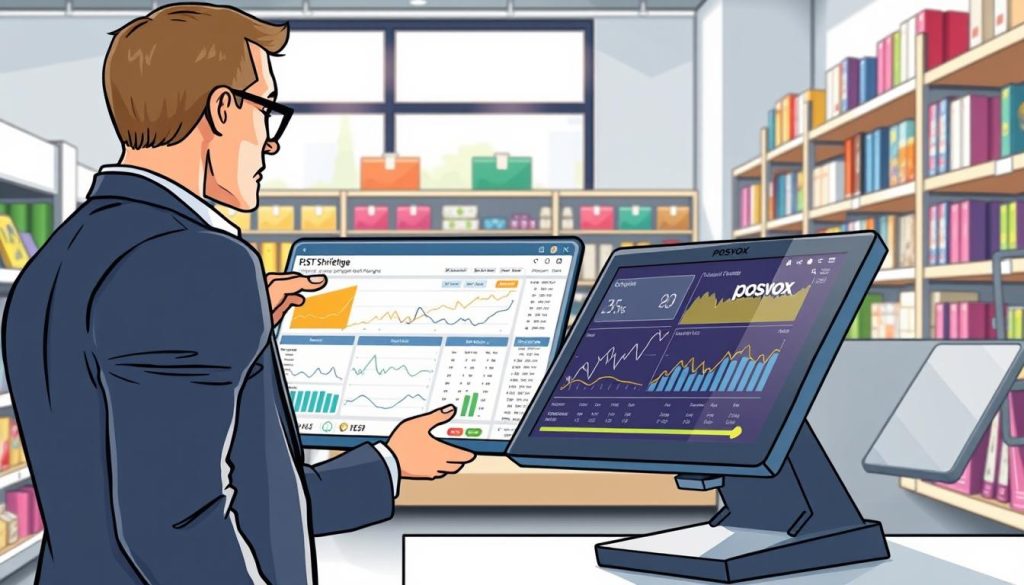
Detecting Unusual Refund and Void Activity
Automated systems are great for catching fraud. They notice when many refunds or voids happen at once. This helps store owners find theft that might be hidden.
When a register has too many voids, it sends out an alert. This lets teams check it out right away. This way, they can stop theft before it gets worse.
Analyzing Discount Abuse and Price Overrides
Price changes and too many discounts are also signs of trouble. Data analytics watches for these. It makes sure every price change is checked.
Checking these things helps stores lose less money. By looking at the data, stores can fix the problems. This keeps the work place safe and honest for everyone.
The Psychological Impact of Transparent POS Oversight
When staff members know they’re being watched, things change. This psychological shift is key in today’s management. It makes everyone feel more accountable for their work.
Good loss prevention strategies use this openness to stop theft early. Knowing they’re checked on every sale makes staff less likely to cheat. This makes the workplace safer for all.

This openness also makes things run better. Staff who know they’re being watched do their jobs right. This means fewer mistakes and a smoother operation, even when it’s busy.
Having clear systems builds trust between bosses and workers. By focusing on employee accountability, stores become places of high standards. This focus on retail security and operational efficiency makes the store more reliable and profitable.
Bridging the Gap Between Inventory Management and Sales
To get true inventory accuracy, we need to connect what’s on the shelf with what’s sold. When these systems don’t talk to each other, small losses can slip by unnoticed. By joining these data, businesses can see their real stock levels more clearly.

Automated Reconciliation of Stock Levels
Automated checks help managers find problems quickly. POS integration alerts them right away if sales don’t match what’s in stock. This quick action is key for catching fraud in busy stores.
When a problem is found, it’s marked for a closer look. This way, every item sold is tracked in real-time. Closing this gap helps cut down on internal theft.
Preventing Sweethearting Through Video Integration
Sweethearting is when staff don’t scan items for loved ones. Using video with POS data helps stop this internal fraud. Managers can see video with transaction details right on top.
This watchful eye stops staff from cheating. It links video proof to specific sales events. This way, POS integration protects your store’s goods well.
Overcoming Implementation Challenges in Retail Environments
Switching to new retail security systems needs a plan that includes people. Technology gives us the tools, but how well teams use them matters a lot. Seeing these changes as a big shift in culture, not just new gadgets, is key.
Training Staff on New Security Protocols
Good training makes sure everyone gets why new tools are important. When staff sees exception reporting as a chance to learn, not just to get in trouble, they help more. This way, they can spot where they can do better.
Managers should hold workshops often. These show how data keeps the store safe. By explaining how these systems cut down mistakes, leaders can get everyone on board. It’s important to talk clearly about these rules to keep things positive at work.
Balancing Employee Privacy with Retail Loss Prevention Needs
Retailers need to find a good mix between watching over things and respecting privacy. It’s important to have clear rules on how data is used at work. When people know monitoring is for safety and doing things right, they feel safer.
Trust comes from talking openly about what’s watched. Transparency is the base for a good team. By caring about privacy as much as security, companies can keep everyone happy and safe.
The Future of AI-Driven Retail Loss Prevention Systems
Artificial intelligence is changing how businesses fight retail shrinkage. They now use systems that find threats early. This helps keep profits up in a tough market.
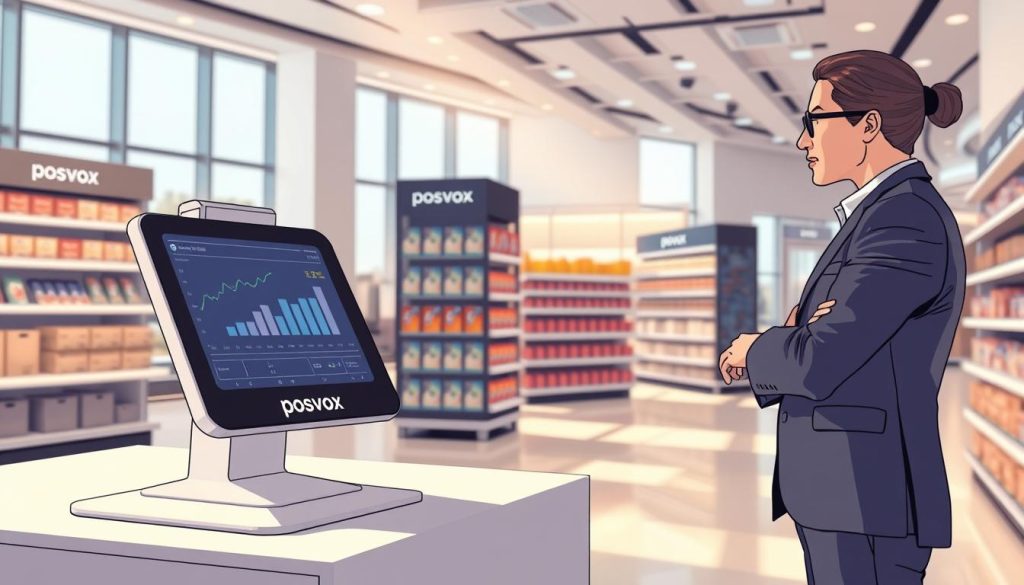
Today’s AI-driven Retail Loss Prevention uses machine learning. It watches stores in real time. It spots things humans might miss, like odd loitering or strange buying patterns.
“The integration of predictive analytics into retail security is not just an upgrade; it is a complete transformation of how we protect our assets and our people.”
Using these new techs helps businesses a lot. They get many benefits:
- Real-time alerts: Quick warnings of odd behavior at checkout.
- Predictive modeling: Finds fraud trends early.
- Enhanced accuracy: Fewer false alarms than old systems.
Old security methods won’t work against new fraud tricks. Retailers need AI-driven loss prevention to keep up. This tech uses data to cut down on theft and make shopping safer.
The future of fraud detection is in using lots of data wisely. Companies that use this tech now will protect their profits better later. It’s the best way to fight retail shrinkage today.
Conclusion of Retail Loss Prevention
Today, store owners must watch over their businesses online to succeed. Using strong loss prevention methods is key to keeping profits up.
Keeping an eye on things helps make sure inventory is right. When people know they’re being watched, they work better. This makes your store safer and more efficient.
Using AI to fight fraud is smart for businesses. These tools find problems that humans miss. This lets you grow your business instead of just trying to keep it from shrinking.
To keep profits high, use new tech and clear rules. These steps make your store safe for everyone. Look at your security today to make your business stronger for the future.