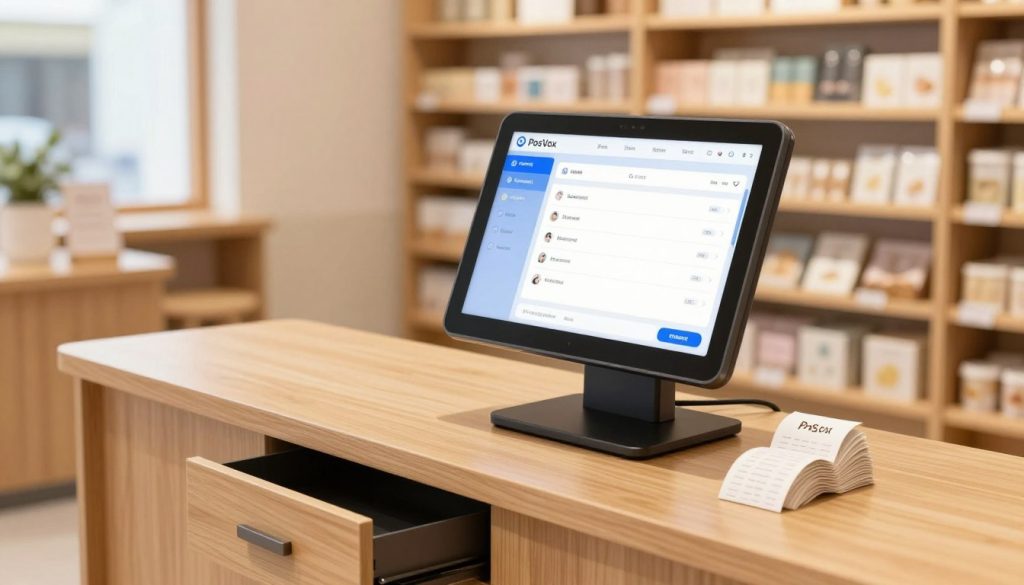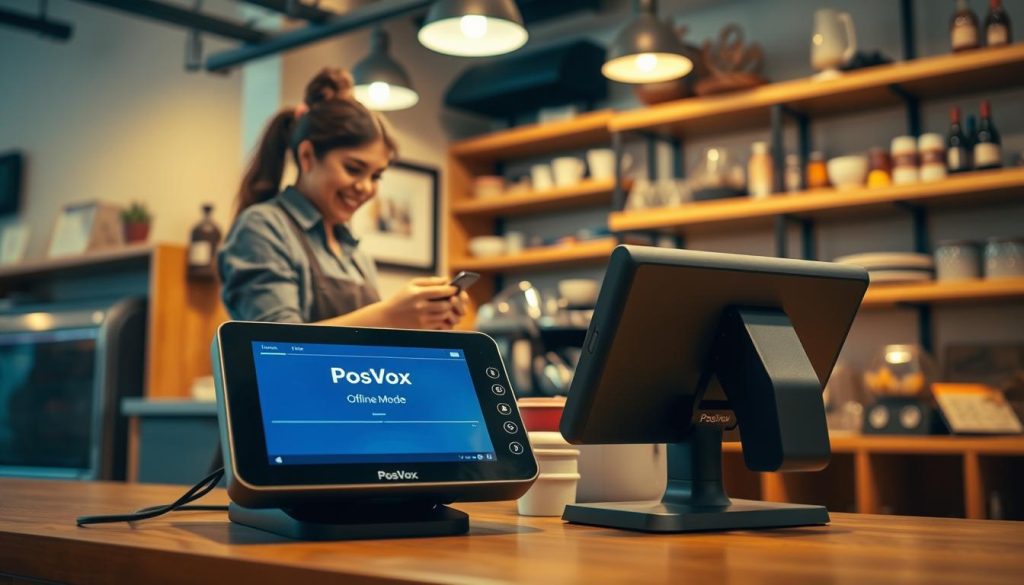
Modern merchants across the United States are facing a difficult reality. Many legacy providers trap business owners in complex contracts that mask the true price of operations. These recurring subscription charges often erode profit margins, leaving entrepreneurs searching for a POS system with no monthly fee to regain control of their finances.
Transparency has become the most vital factor for success in today’s competitive retail landscape. When you choose a platform that hides expenses behind fine print, you risk long-term financial instability. Smart business owners now prioritize clarity over the convenience of traditional, high-cost models.
Shifting away from outdated, expensive software is no longer just a preference; it is a financial necessity. By moving toward transparent payment structures, you can protect your bottom line and focus on scaling your operations effectively.
Key Takeaways
- Traditional providers often hide costs within complex, long-term contracts.
- Recurring subscription charges significantly impact your overall business profitability.
- Transparency in pricing is the most critical factor for modern American merchants.
- Moving to a transparent model is a strategic financial necessity for small businesses.
- Avoiding predatory pricing helps you maintain better control over your operational budget.
The Shift Toward a POS system with no monthly fee
A significant shift is occurring in the marketplace, driven by the growing demand for a POS system with no monthly fee. Merchants are no longer willing to accept the status quo of endless recurring charges that eat into their profit margins. Instead, they are seeking solutions that prioritize transparency and long-term financial control.
Market disruption and the rise of subscription-free hardware
The rise of subscription-free hardware represents a fundamental change in how retail and hospitality businesses operate. By moving toward an ownership-based model, vendors are allowing merchants to purchase their equipment outright. This approach eliminates the hidden burden of software-as-a-service fees that often accumulate over time.
This disruption forces traditional providers to rethink their rigid business models. When hardware is decoupled from mandatory software subscriptions, the power dynamic shifts back to the business owner. Companies that offer a POS system with no monthly fee are gaining traction because they provide a clear, predictable cost structure that is easy to manage.
Why small businesses are abandoning legacy contracts
Small business owners are increasingly frustrated by the restrictive nature of legacy contracts. Many of these agreements include complex terms, proprietary software lock-ins, and unexpected price hikes. These pain points create a sense of instability that makes it difficult for entrepreneurs to plan their budgets effectively.
The desire for operational flexibility is the primary driver behind this migration. Merchants want the freedom to scale their operations without being penalized by rigid vendor agreements. By adopting a POS system with no monthly fee, these businesses can reinvest their savings into growth and customer experience rather than paying for unnecessary administrative overhead.
Unmasking the Hidden Fees in Traditional POS Contracts
Navigating the fine print of merchant service contracts often reveals costs that traditional providers prefer to keep quiet. Many business owners sign agreements without realizing that their monthly overhead is being inflated by opaque financial structures. Choosing a POS system with no monthly fee is often the first step toward reclaiming control over your business finances.
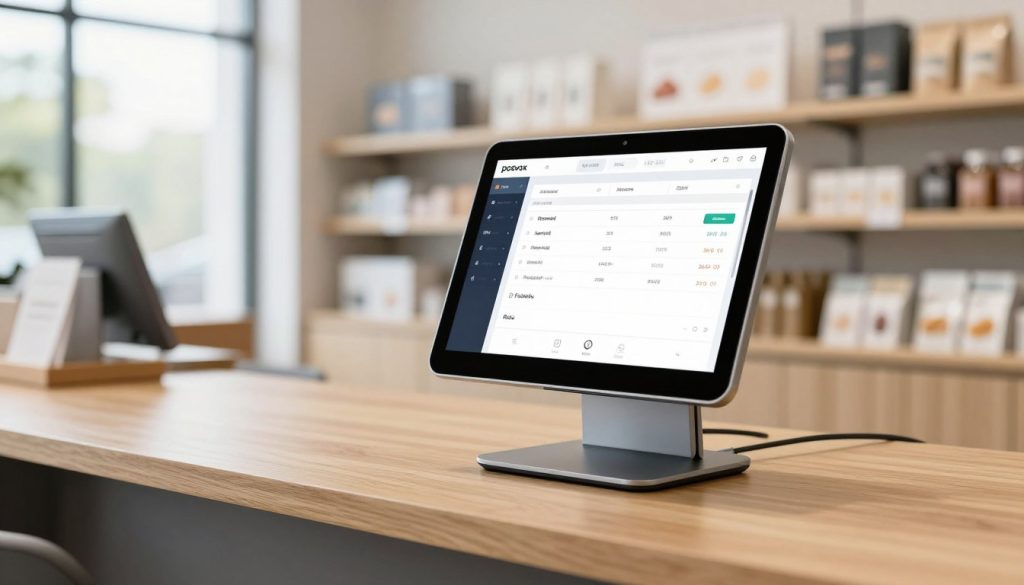
The reality of long-term hardware leasing agreements
Legacy providers frequently bundle hardware into long-term leasing contracts that span several years. While the upfront cost may appear low, the total interest paid over the life of the lease often exceeds the actual value of the equipment. These agreements are designed to keep merchants tethered to a specific provider long after the hardware has become obsolete.
In contrast, a modern POS system with no monthly fee typically allows for outright ownership of the hardware. This shift eliminates the burden of monthly lease payments and provides greater flexibility for growing businesses.
Processing rate markups and tiered pricing structures
Many traditional processors utilize tiered pricing models to obscure the true cost of transactions. By categorizing cards into “qualified,” “mid-qualified,” and “non-qualified” buckets, providers can apply hidden markups that fluctuate without warning. This complexity makes it nearly impossible for a merchant to predict their monthly processing expenses accurately.
“Transparency in payment processing is not just a luxury; it is a fundamental requirement for the sustainability of small businesses in a competitive market.”
Early termination penalties and proprietary software lock-in
Proprietary software lock-in acts as a digital cage for many merchants. When a system is built on closed-source architecture, moving your data to a more affordable POS system with no monthly fee becomes a technical and financial nightmare. Furthermore, early termination fees can reach thousands of dollars, effectively trapping businesses in unfavorable contracts.
| Cost Factor | Traditional POS | Modern No-Fee POS |
|---|---|---|
| Hardware Ownership | Leased (Long-term) | Outright Purchase |
| Contract Length | 36-60 Months | Month-to-Month |
| Termination Fee | High ($500+) | None |
| Pricing Model | Tiered/Opaque | Flat/Transparent |
By understanding these hidden traps, you can better evaluate the long-term impact of your payment processing choices. Moving away from restrictive legacy contracts is essential for any business owner seeking to optimize their bottom line. Prioritizing a POS system with no monthly fee ensures that your hard-earned revenue stays in your pocket rather than funding hidden provider margins.
Analyzing the True Cost of Ownership for Modern POS Solutions
Understanding the total cost of ownership is vital when evaluating a POS system with no monthly fee. Many business owners focus solely on the initial purchase price, yet the long-term financial impact often hides in the fine print of service agreements. By analyzing these costs, you can make a more informed decision for your retail or hospitality business.
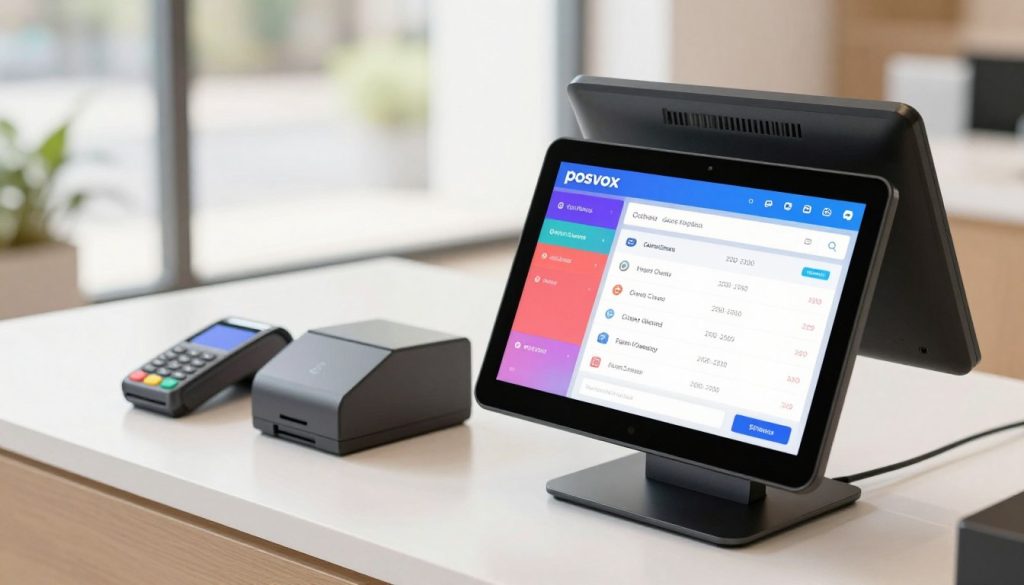
Upfront hardware investments versus recurring software subscriptions
Traditional models often lure merchants with low-cost hardware, only to lock them into expensive, multi-year software subscriptions. In contrast, a POS system with no monthly fee typically requires a higher initial investment for the hardware itself. This shift places the asset ownership directly in your hands from day one.
By paying for the equipment upfront, you eliminate the burden of perpetual monthly software charges. This approach provides greater financial predictability over the lifespan of your business. You are no longer tethered to a provider through a restrictive service contract.
Payment processing margins as the primary revenue driver
When a provider removes monthly software fees, they often adjust their business model to rely on payment processing margins. This means the company earns its revenue through a small percentage of each transaction you process. It is a performance-based model that aligns the provider’s success with your own sales volume.
Because the provider is incentivized to keep your business running smoothly, they prioritize high uptime and efficient transaction speeds. Merchants should carefully review these processing rates to ensure they remain competitive. A POS system with no monthly fee can be highly cost-effective if your transaction volume justifies the processing margins.
Maintenance and support costs in a no-fee ecosystem
In a no-fee ecosystem, maintenance and support are often handled differently than in legacy models. Some providers offer basic support for free, while others may charge for premium, 24/7 assistance. It is essential to clarify these terms before committing to a specific platform.
Reliable support is the backbone of any retail operation. Even without monthly software fees, you should budget for potential hardware upgrades or specialized technical assistance. The following table outlines the typical cost differences between these two primary business models.
| Cost Category | Traditional Subscription Model | No-Fee POS Model |
|---|---|---|
| Initial Hardware | Low or Subsidized | Higher Upfront Cost |
| Monthly Software Fee | Recurring Monthly Charge | Zero Monthly Fee |
| Processing Rates | Standardized | Variable/Margin-Based |
| Contract Length | Long-term Commitment | Flexible/Month-to-Month |
Industry Reactions to the Transparency Movement
The financial landscape for small businesses is undergoing a massive transformation as transparency becomes the new industry standard. As the demand for a POS system with no monthly fee grows, legacy companies are scrambling to overhaul their outdated marketing tactics. These established players realize that they can no longer hide behind complex contracts if they want to retain their market share.
How legacy providers are adjusting their marketing strategies
Traditional providers are now pivoting toward messaging that emphasizes flexibility and simplicity. Many firms are launching “lite” versions of their software to compete directly with modern, subscription-free alternatives. By highlighting lower entry costs, they hope to distract merchants from the underlying processing markups that still exist in their legacy ecosystems.
This shift in marketing is a direct response to the popularity of the POS system with no monthly fee model. Companies that once relied on long-term hardware leases are now rebranding their services to appear more merchant-friendly. However, savvy business owners remain cautious, looking past the marketing fluff to find the true cost of their payment infrastructure.
Regulatory scrutiny regarding hidden merchant service charges
Government oversight is beginning to reshape industry standards by targeting opaque billing practices. Regulators are increasingly concerned about how hidden merchant service charges impact the bottom line of small businesses across the United States. This growing pressure forces providers to be more explicit about their fee structures to avoid potential legal repercussions.
The movement toward accountability is gaining momentum, ensuring that merchants have better access to clear, upfront pricing. When a provider offers a POS system with no monthly fee, they are now expected to provide full disclosure regarding transaction margins. This evolution is a major win for transparency in the retail and hospitality sectors.
| Feature | Legacy POS Model | Modern Transparent Model |
|---|---|---|
| Monthly Subscription | High Fixed Cost | Zero Monthly Fee |
| Contract Length | 36-60 Months | No Long-term Lock-in |
| Fee Disclosure | Opaque/Hidden | Clear/Upfront |
| Hardware Ownership | Leased | Owned by Merchant |
Conclusion
Modern merchants deserve clarity when selecting payment technology. Relying on a POS system with no monthly fee empowers owners to keep more of their hard-earned revenue. This shift away from restrictive contracts marks a new era for small business growth in the United States.
Legacy providers often hide costs within complex agreements. You can protect your bottom line by auditing your current processing statements today. Look for hidden markups that drain your profits over time. Choosing a POS system with no monthly fee removes these barriers to success.
Brands like Square and Toast have changed how companies view hardware investments. These platforms prioritize transparent pricing models that align with your actual sales volume. You gain the freedom to scale your operations without the fear of surprise penalties.
Take the initiative to demand better value from your payment partners. Review your existing service terms to identify unnecessary recurring charges. Transitioning to a POS system with no monthly fee is a strategic move toward long-term financial stability. Your business deserves a partner that supports your growth rather than one that limits your potential.