Have you ever felt trapped by a digital system that no longer serves your growing business? Many restaurant owners find themselves stuck in rigid agreements that stifle their operational agility and drain their bottom line.
Finding Toast POS alternatives free of long-term contracts is a strategic move for any modern hospitality brand. By choosing flexible technology, you regain control over your data and your future.
Transitioning to a new platform does not have to be a nightmare. With the right approach, you can migrate your essential information with complete confidence and minimal downtime.
We will guide you through the process of leaving restrictive setups behind. Discover how to embrace Toast POS alternatives free from hidden penalties and start operating on your own terms today.
Key Takeaways
- Identify the hidden costs of long-term software agreements.
- Prioritize operational agility by choosing flexible service models.
- Learn the essential steps for a smooth data migration process.
- Protect your business revenue by avoiding restrictive vendor lock-in.
- Gain confidence in upgrading your technology stack without stress.
Understanding the Need for Contract-Free POS Systems
The modern restaurant industry demands agility, making rigid long-term contracts a thing of the past. Business owners now prioritize systems that allow them to adapt quickly to shifting economic conditions without being tethered to a single provider. Finding toast pos alternatives free of restrictive clauses is becoming a top priority for operators who value their independence.
Why Restaurant Owners Are Moving Away from Long-Term Contracts
Many restaurateurs feel trapped by multi-year agreements that offer little room for negotiation. When your business model needs to pivot, a rigid contract can become a significant financial burden rather than a helpful tool. Owners are increasingly seeking freedom to switch providers if their current technology fails to keep pace with their growth.
Long-term commitments often mask underlying issues with service quality or hardware reliability. By moving away from these contracts, you regain the power to hold your vendor accountable. This shift is essential for maintaining a competitive edge in a fast-paced market.
The Financial Benefits of Month-to-Month POS Agreements
Month-to-month billing provides a level of financial predictability that is vital for small and medium-sized restaurants. You can better manage your cash flow without the pressure of large, upfront costs or long-term debt obligations. This flexibility allows you to allocate your budget toward other critical areas like staff training or ingredient quality.
When you explore toast pos alternatives free of long-term lock-ins, you are essentially investing in your own agility. You avoid the sunk cost fallacy that often keeps businesses tied to underperforming software. Ultimately, paying as you go ensures that your technology expenses remain aligned with your current revenue streams.
Assessing Your Current POS Limitations
It is time to evaluate your current setup if you find yourself paying for features you never use. Many legacy systems force you into expensive bundles that do not serve your specific operational needs. Identifying these gaps is the first step toward finding better toast pos alternatives free of unnecessary bloat.
Consider whether your current system hinders your ability to integrate with new delivery apps or accounting software. If your provider makes it difficult to export your own data, you are likely facing a major limitation. Taking control of your data and your contract terms is the best way to ensure your restaurant thrives in the long run.
Top Toast POS alternatives free of contracts
Finding the right point-of-sale system should not feel like signing your life away to a long-term commitment. Many restaurant owners are now seeking Toast POS alternatives free of rigid agreements that allow them to grow on their own terms. By choosing a month-to-month model, you maintain the agility needed to adapt to the fast-paced nature of the hospitality industry.
Square for Restaurants: Flexibility and Ease of Use
Square is widely recognized for its user-friendly interface and lack of long-term contracts. It is an ideal choice for businesses that value simplicity and quick setup times. You can easily manage your menu and staff without needing extensive technical training.
TouchBistro: Tailored Solutions for Full-Service Dining
If your establishment focuses on full-service dining, TouchBistro offers a robust platform designed specifically for your needs. It provides deep functionality for table management and guest tracking. This system empowers servers to provide exceptional service while keeping operations running smoothly behind the scenes.
Lightspeed Restaurant: Advanced Inventory and Reporting
For owners who prioritize data-driven decisions, Lightspeed Restaurant stands out with its powerful inventory and reporting tools. It gives you a clear view of your food costs and profit margins in real time. This level of detail is essential for maintaining a profitable and efficient kitchen environment.
| Feature | Square | TouchBistro | Lightspeed |
|---|---|---|---|
| Contract Type | Month-to-Month | Month-to-Month | Month-to-Month |
| Best For | Quick Service | Full Service | Complex Inventory |
| Ease of Use | High | Medium | Medium |
| Reporting | Standard | Advanced | Highly Detailed |
Preparing Your Restaurant Data for Migration
Before you finalize your move to a new platform, you must organize your digital assets. Preparing your data is the most critical step when looking for toast pos alternatives free of contracts. A clean transition ensures that your business operations continue without unnecessary interruptions.
Auditing Your Current Menu and Inventory Items
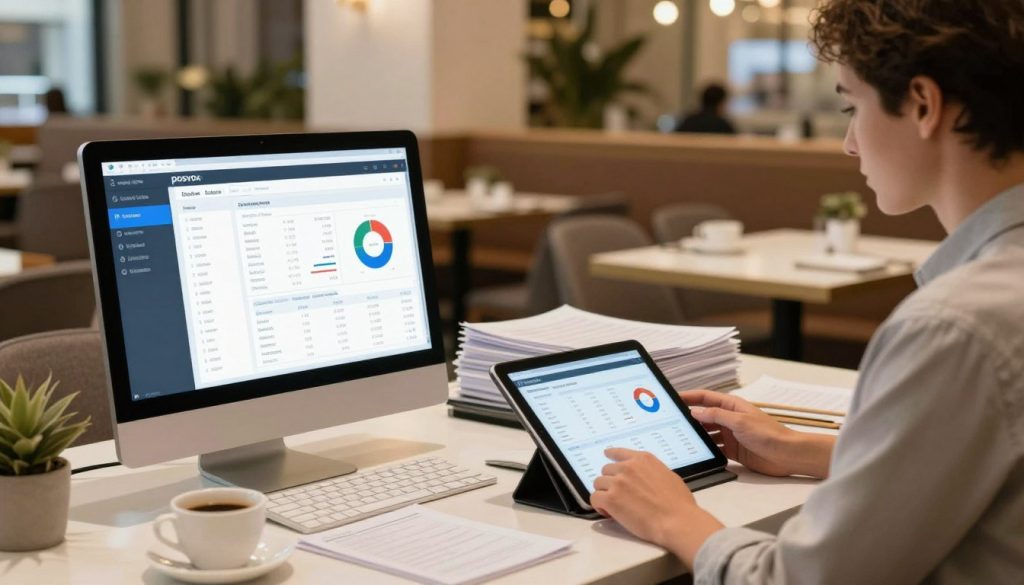
Start by reviewing your entire menu to identify items that are no longer profitable or popular. Removing outdated entries now will save you significant time during the setup phase of your new system. You should also categorize your inventory clearly to ensure accurate tracking from day one.
Organizing your modifiers and sub-menus is equally important for a smooth switch. When you choose toast pos alternatives free from long-term commitments, having a structured menu makes the import process much faster. Take the time to verify that your ingredient lists match your current stock levels.
Cleaning Up Customer Databases and Loyalty Profiles
Your customer data is one of your most valuable assets. Before migrating, delete duplicate profiles and inactive accounts to ensure your marketing efforts remain effective. A clean database allows you to reach your most loyal guests with relevant offers immediately after the switch.
Ensure that all contact information is formatted correctly for your new software. Consistency is key when moving loyalty points and rewards history. By sanitizing these records, you protect your brand reputation and maintain strong relationships with your regulars.
Exporting Essential Financial Reports and Tax Data
You must secure your historical sales data before closing your old account. Exporting your financial reports ensures that you remain compliant with tax regulations and have a clear view of your business performance. Many toast pos alternatives free of contracts offer simple CSV exports for this purpose.
Store these files in a secure, backed-up location for future reference. Having easy access to your past tax data will simplify your year-end accounting processes significantly. Prioritizing data integrity during this stage prevents headaches later on.
Evaluating Hardware Compatibility Before You Switch
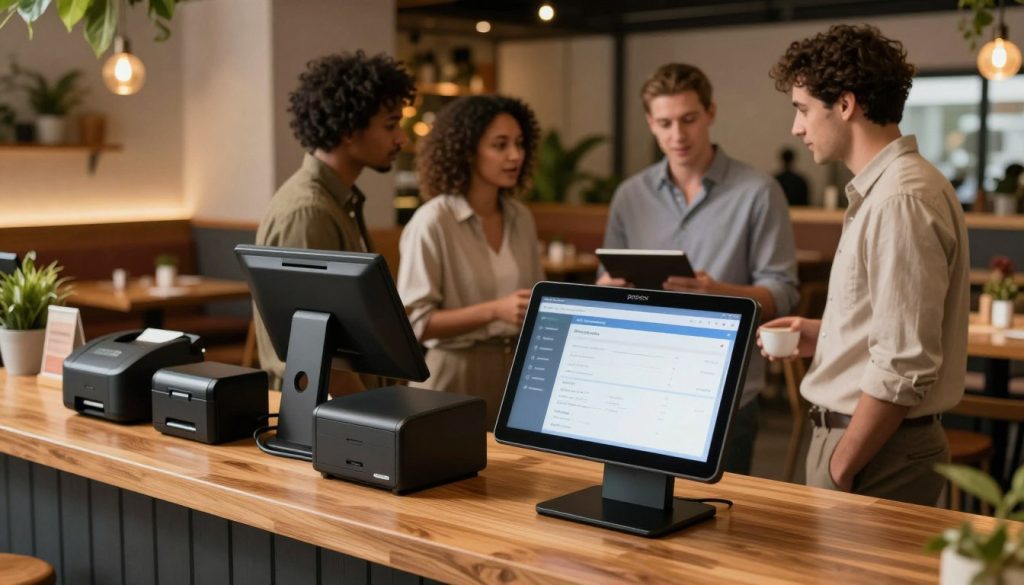
Before you commit to a new provider, you must evaluate whether your current equipment can make the move with you. Many restaurant owners assume their existing gear will work with any software, but this is not always the case. Taking the time to audit your setup now helps you avoid unexpected capital expenditures that could disrupt your financial planning.
Determining Which Toast Hardware Can Be Repurposed
When searching for toast pos alternatives free of long-term contracts, you should first check if your current terminals are locked to a specific ecosystem. Some hardware is proprietary, meaning it will not function with third-party software. You should verify the model numbers of your tablets and kiosks to see if they support open-platform applications.
- Check if your tablets are Android-based or proprietary units.
- Consult with your new provider to see if they support your current hardware models.
- Determine if a factory reset is required to clear old software configurations.
Identifying Necessary New Hardware Investments
If your current equipment is incompatible, you will need to budget for new terminals or tablets. While this represents an upfront cost, it is often necessary to ensure optimal performance and security. Many modern systems offer flexible hardware bundles that can help you save money compared to buying individual components.
Consider whether your current tablets meet the processing speed requirements of your new software. Upgrading to newer models can often improve your staff’s efficiency during busy shifts. By planning these purchases early, you can maintain a smooth transition without compromising your service quality.
Budgeting for Peripheral Upgrades
Don’t forget to account for your peripheral devices, such as receipt printers, kitchen display systems, and cash drawers. These items are often more universal than tablets, but they still require specific connection types like Bluetooth, USB, or Ethernet. You should test each device to ensure it communicates correctly with your new toast pos alternatives free of restrictive agreements.
Create a simple spreadsheet to track your hardware needs and estimated costs. This proactive approach ensures that you stay within your budget while setting up your restaurant for long-term success. Proper planning is the best way to keep your migration costs under control.
Mapping Your Menu and Modifiers to the New System
A well-organized menu serves as the foundation for your restaurant’s daily efficiency. When you decide to explore toast pos alternatives free of long-term contracts, the migration process offers a perfect opportunity to clean up your digital catalog. Taking the time to map your items correctly ensures that your staff can navigate the interface with speed and confidence.

Structuring Categories and Sub-menus for Efficiency
Start by grouping your items into logical categories that mirror your physical menu. Intuitive navigation is key to reducing order entry errors during a busy dinner rush. Use sub-menus to organize items like appetizers, entrees, and beverages, ensuring that your servers spend less time searching for buttons.
Consider how your staff interacts with the screen during peak hours. A clean, uncluttered layout helps new employees learn the system faster. By streamlining your categories, you create a seamless workflow that benefits both your front-of-house team and your kitchen staff.
Configuring Complex Modifiers and Kitchen Display System Rules
Complex modifiers are often the biggest challenge during a system migration. You must ensure that every “no onion” or “extra sauce” request is clearly communicated to the back-of-house. Configure your Kitchen Display System (KDS) rules so that these modifiers appear in a way that is easy for your chefs to read.
Standardizing these rules prevents confusion and reduces food waste. When you choose toast pos alternatives free from rigid constraints, you gain the flexibility to customize how these modifiers trigger on your kitchen screens. Precision in your settings leads to better consistency in every dish you serve.
Testing Menu Functionality in a Sandbox Environment
Before you go live, always utilize a sandbox environment to test your configuration. This safe space allows you to simulate real-world orders without affecting your actual sales data. You can verify that all modifiers, prices, and tax settings are functioning exactly as intended.
Testing helps you catch potential issues before they impact your customers. It is the best way to ensure that your transition to toast pos alternatives free of contract burdens is smooth and successful. Thorough preparation in the sandbox phase will save you significant time and stress on your first day of live service.
Executing the Data Migration Process
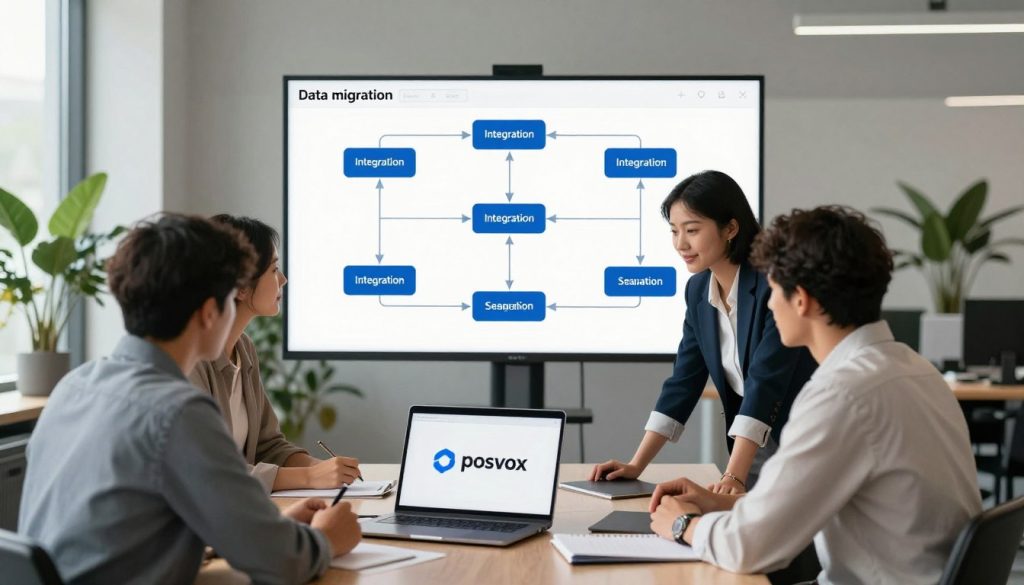
Executing the data migration process is the moment your new POS setup truly comes to life. While many toast pos alternatives free of long-term contracts offer user-friendly tools, the actual transfer of your digital assets requires a methodical approach to ensure nothing is lost during the switch.
Importing CSV Files and Bulk Data Sets
Most modern systems rely on CSV files to handle the heavy lifting of data entry. You will typically export your existing inventory lists, menu items, and customer databases into these standardized formats before uploading them into your new dashboard.
Taking the time to clean your data before the import prevents errors from carrying over. Ensure that your item categories and pricing structures are formatted correctly to match the requirements of your new software provider.
Syncing Employee Roles and Permissions
Once your inventory is set, you must focus on your team. Properly syncing employee roles and permissions is essential for maintaining security and operational efficiency from the very first day of service.
Assign specific access levels to your staff members based on their responsibilities. This ensures that servers, managers, and kitchen staff only see the information they need to perform their jobs effectively.
Verifying Data Integrity After the Transfer
After the bulk import is complete, you must perform a thorough audit of your records. You should compare your historical sales data and tax information against your previous reports to confirm that every figure matches perfectly.
Verifying these details provides peace of mind as you finalize your transition. By confirming that your financial history is accurate, you can confidently move forward with your new system, knowing that your business records remain consistent and reliable.
Training Your Staff on the New POS Interface
Successful implementation of toast pos alternatives free of contracts relies heavily on your team’s ability to navigate the new interface quickly. When you move away from legacy systems, your staff needs time to adjust to new workflows and button layouts. Investing in your team’s education now will prevent service bottlenecks during your first live shifts.
Creating a Training Schedule for Front-of-House Teams
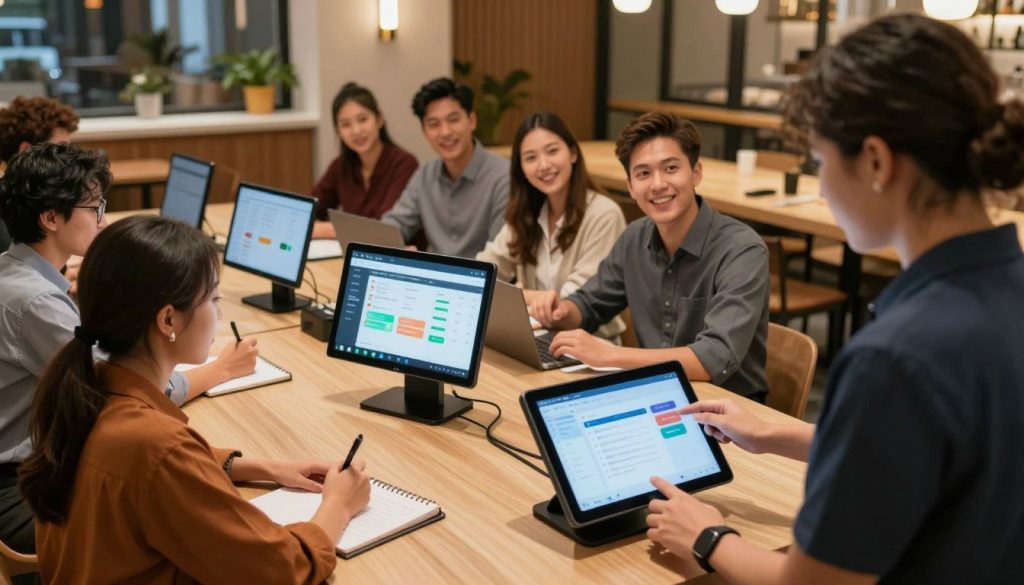
Start by breaking down the training into manageable modules. Focus on core tasks like order entry, payment processing, and table management first. You should schedule these sessions during off-peak hours to ensure your staff can focus without the pressure of hungry customers.
Consistency is key when teaching new software. Create a step-by-step guide that covers the most common scenarios your servers encounter daily. By providing clear documentation, you help your team feel supported throughout the transition.
Utilizing Vendor-Provided Training Resources
Most modern platforms offer extensive digital libraries to help you get started. Take full advantage of video tutorials, interactive webinars, and searchable knowledge bases provided by your new provider. These resources are often designed to make the switch from other systems much easier.
Encourage your managers to become “super users” who can answer questions on the floor. When your leadership team understands the system inside and out, they can provide immediate assistance to servers who might be struggling. This peer-to-peer support is invaluable during the first week of operation.
Running Mock Service Shifts to Build Confidence
Nothing builds muscle memory quite like a dry run. Organize mock service shifts where staff members act as both servers and customers to test the system’s speed and reliability. This practice helps identify potential issues before they impact your actual revenue.
During these sessions, simulate common errors like voiding items or splitting checks. When your staff knows how to handle these situations in a controlled environment, they will remain calm during a busy Friday night rush. Using toast pos alternatives free of complex, rigid contracts allows you to focus on this training rather than worrying about long-term lock-ins.
| Training Method | Primary Benefit | Time Commitment |
|---|---|---|
| Video Tutorials | Self-paced learning | Low |
| Live Webinars | Interactive Q&A | Medium |
| Mock Service | Real-world practice | High |
Managing the Transition Period During Live Service
Moving away from your old setup to explore toast pos alternatives free of contracts is a bold step toward operational freedom. While the prospect of a new system is exciting, the actual switch during live service hours requires a calm and methodical approach. Preparation is your best ally when you want to ensure that your daily operations remain smooth and efficient.
Setting Up a Soft Launch for Your New System
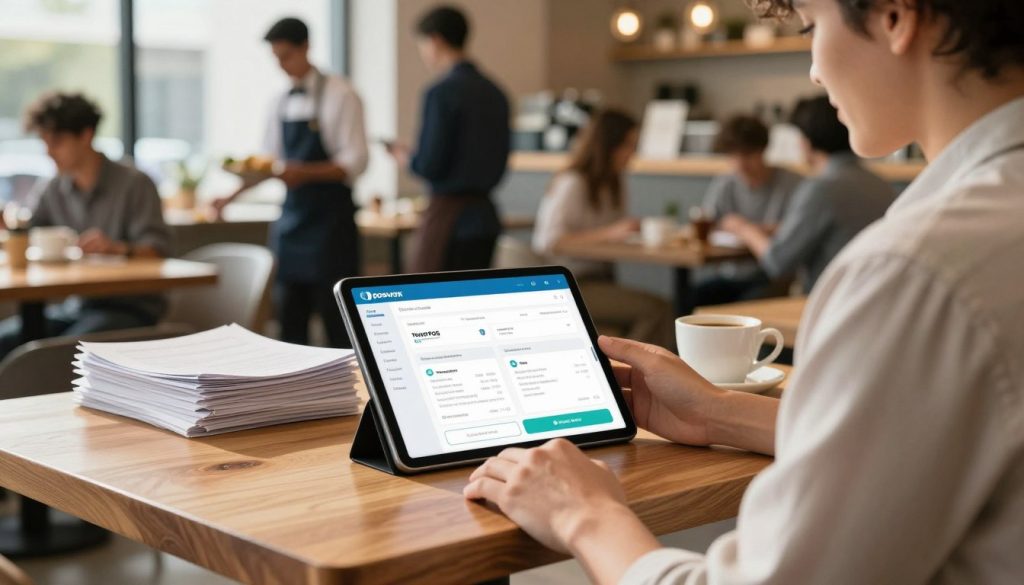
A soft launch acts as a vital safety net for your restaurant. By running the new software during a slower shift or for a limited group of staff, you can identify potential bottlenecks before they impact your bottom line. This controlled environment allows your team to gain confidence without the pressure of a full house.
During this phase, focus on testing the most common transactions. Ensure that your kitchen display system receives orders correctly and that your payment processing is seamless. Testing in real-time helps you catch small errors that might not appear in a simulated environment.
Troubleshooting Common Technical Hiccups on Day One
Even with the best planning, minor technical issues can arise when you switch to toast pos alternatives free of long-term commitments. Keep your IT support contact information easily accessible and ensure your staff knows exactly who to call if a terminal freezes. Having a backup plan, such as a manual ticket system, can save your service if a temporary glitch occurs.
Encourage your team to stay positive and patient during these moments. A calm demeanor from management helps prevent stress from spreading to the front-of-house staff. Remember that these small hurdles are usually temporary and part of the learning curve for any new technology.
Communicating Changes to Your Regular Customers
Your loyal patrons are the heartbeat of your business, so keeping them informed is essential. If you notice that the new interface is causing slight delays, be transparent and offer a friendly explanation. Most customers are understanding when they know you are working to improve their overall dining experience.
Consider placing a small sign at the host stand or mentioning the upgrade during the greeting process. By framing the switch as a way to provide better service, you turn a potential inconvenience into a positive narrative. Choosing toast pos alternatives free of restrictive contracts shows your customers that you are committed to agility and long-term quality.
Optimizing Your New POS for Long-Term Success
Once your new POS is live, the real work of maximizing your restaurant’s potential begins. Many owners choose toast pos alternatives free of restrictive contracts to gain the agility needed for modern dining. By focusing on long-term optimization, you ensure that your technology investment continues to pay dividends for years to come.
Leveraging Advanced Reporting Features
Modern systems provide a wealth of data that can transform your decision-making process. You should regularly review labor costs, food margins, and peak service hours to identify hidden trends. Deep insights into your performance allow you to pivot quickly when market conditions change.
“Data is the compass that guides your restaurant through the unpredictable waters of the hospitality industry.”
Integrating Third-Party Apps for Delivery and Accounting
Efficiency in the back office is just as important as speed at the front of the house. By connecting your POS to accounting software like QuickBooks or Xero, you eliminate manual data entry errors. Furthermore, integrating delivery platforms ensures that online orders flow directly into your kitchen display system without friction.
This seamless connectivity is a major advantage when using toast pos alternatives free from proprietary limitations. You can build a custom tech stack that fits your specific operational needs perfectly.
Regularly Updating Your Menu and Pricing Strategies
Your menu is a living document that should evolve based on seasonal availability and customer demand. Use your reporting tools to track which items have the highest profit margins and adjust your pricing accordingly. Keeping your digital menu updated prevents confusion and helps maintain consistent revenue growth.
| Optimization Area | Primary Benefit | Frequency |
|---|---|---|
| Sales Reporting | Identify top-selling items | Weekly |
| Accounting Sync | Reduce manual bookkeeping | Daily |
| Menu Engineering | Maximize profit margins | Monthly |
Ultimately, the flexibility found in toast pos alternatives free of long-term contracts empowers you to stay competitive. By consistently refining your approach, you turn your POS into a powerful engine for long-term success.
Common Pitfalls to Avoid During POS Migration
Transitioning to a new system is a major milestone for any restaurant, but it is not without its hidden challenges. While exploring toast pos alternatives free of contracts, you must remain vigilant against common migration mistakes that can disrupt your daily operations. Careful planning is the only way to ensure your business continues to run smoothly during the switch.
Underestimating the Time Required for Data Cleanup
Many owners assume that migrating data is as simple as clicking a button. In reality, your existing database is likely filled with outdated menu items, duplicate customer profiles, and messy inventory lists. Cleaning this data before the transfer is essential to prevent errors in your new system.
If you rush this process, you risk importing corrupted files that could haunt your reporting for months. Take the time to audit your records thoroughly. This preparation ensures that when you finally switch to one of the many toast pos alternatives free of long-term commitments, your new platform starts with a clean slate.
Failing to Back Up Historical Sales Data
One of the most dangerous mistakes is assuming your old provider will keep your data accessible forever. Once you cancel your service, you may lose access to years of valuable sales history and tax records. Always export your data into a secure, readable format like CSV or Excel before finalizing your cancellation.
Having a local backup protects you during audits and helps you track long-term growth trends. Do not rely on the cloud storage of a system you are leaving behind. Securing your historical data is a non-negotiable step in the migration process.
Ignoring Staff Feedback During the Implementation Phase
Your front-of-house and kitchen teams are the ones who will use the new software every single day. If you implement a system without asking for their input, you may face significant resistance or operational bottlenecks. Listening to your staff helps you identify potential issues before they become major problems during a busy dinner rush.
By involving your team early, you foster a sense of ownership and make the transition much easier for everyone involved. Even when choosing toast pos alternatives free of restrictive contracts, the human element remains the most important factor in your success. Open communication is the key to a seamless and stress-free implementation.
Conclusion
Switching your point of sale system represents a major step toward operational freedom. You now possess the knowledge to evaluate various Toast POS alternatives free of long-term commitments. This shift empowers you to prioritize agility in a fast-paced industry.
Your business deserves software that adapts to your specific needs without locking you into rigid agreements. Exploring Toast POS alternatives free of contracts allows you to reinvest capital into your menu, staff, or marketing efforts. Every decision you make today builds a more resilient foundation for your dining establishment.
Take a moment to review your current goals and identify the platform that aligns with your vision. Reach out to providers like Square, TouchBistro, or Lightspeed to start a conversation about your unique requirements. Your path to a more flexible and profitable future begins with this proactive change.
We encourage you to share your experiences with other restaurant owners as you navigate this transition. Your insights help the community grow stronger and more informed. Start your journey toward a better system today and watch your restaurant thrive.