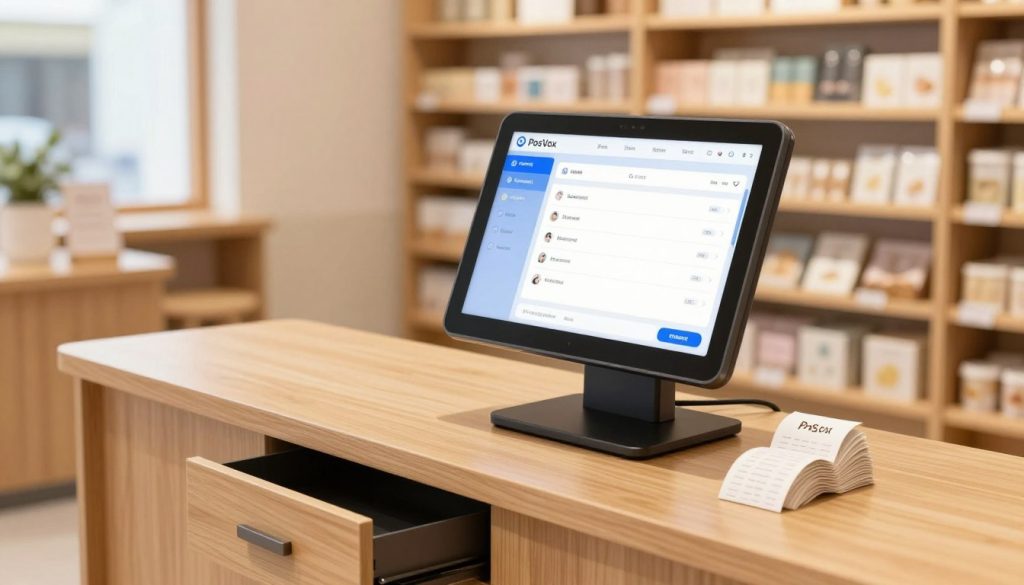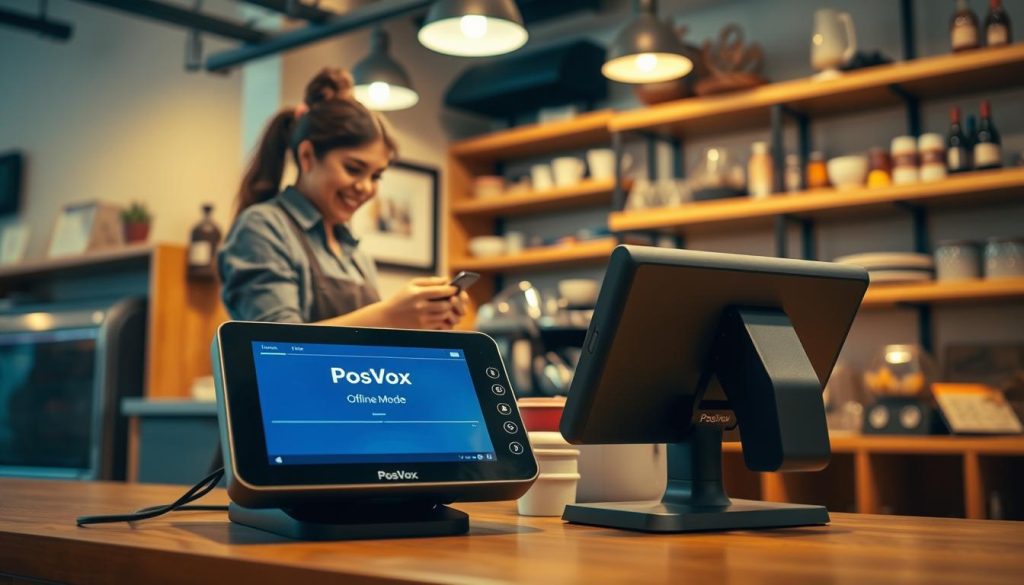
Did you know nearly 70% of independent shops struggle to grow? They use old ways to track sales. Your store needs a digital system that works as hard as you do.
Finding the best pos for boutiques is key to making your store better. It helps you focus on what makes shopping special. This way, you can make your customers happy.
Today’s tech makes your store run smoothly. The best pos for boutiques keeps things running well. This lets you build strong bonds with your customers.
Key Takeaways of Best POS for Boutiques
- Modernizing your retail operations significantly improves daily efficiency.
- Data-driven insights help you understand customer buying habits better.
- Automation allows owners to prioritize high-touch customer service.
- Selecting the right technology is essential for long-term scalability.
- Digital tools help maintain the luxury feel of independent shops.
Defining the Unique Operational Needs of Luxury Retail
In luxury, your retail technology should make shopping better. Unlike fast stores, luxury shops value personal connections. Your setup should help these connections, not get in the way.
Choosing the right boutique POS features is key. Easy-to-use tools let your team focus on customers. True luxury is found in the details, and your systems should show this.
“The goal of technology in luxury retail is to make the complex feel effortless, ensuring that the human element remains the star of the show.”
Balancing High-Touch Service with Digital Efficiency
High-touch service needs a retail POS system that works quietly. It should handle things fast but not get in the way. This lets your team give personal attention.
Being efficient doesn’t mean losing the boutique feel. Modern retail technology lets you see client history quickly. This makes every visit feel special.
The Importance of Brand Consistency in Technology
Every part of your store, including digital, should match your brand. When picking boutique POS features, think about how they fit your store’s look. A bad interface can ruin your store’s feel.
Being consistent builds trust and keeps you ahead in the market. A good retail POS system should have customizable receipts and a clean look. This keeps your tech in line with your brand.
Identifying the Best POS for Boutiques in the Current Market
Finding the best POS for boutiques means looking at software features. You need a retail POS system that is easy to use but also has advanced features. This ensures your business runs smoothly and you can focus on your customers.
Comparing Shopify POS for Scalable E-commerce Integration
Shopify is great for those who want to link their store and online shop easily. This cloud-based POS lets you manage stock across different places from one place. It’s perfect if you want to grow your online and offline shops together.
Analyzing Lightspeed Retail for Advanced Inventory Control
If your boutique has many products, Lightspeed Retail is a good choice. It tracks things like size, color, and material well. It also has tools to help you make smart choices about your products.
Reviewing Square for Retail for Ease of Use and Quick Setup
Square for Retail is simple and easy to start with. It’s made so you can start selling fast. Many like it because it’s easy to use and doesn’t have complicated setup.
| Platform | Primary Strength | Setup Time | Best For |
|---|---|---|---|
| Shopify POS | E-commerce Sync | Moderate | Growing Brands |
| Lightspeed | Inventory Depth | Detailed | Complex Stock |
| Square | Ease of Use | Fast | Quick Start |
| Epos Now | Flexibility | 15 Minutes | General Retail |
Choosing the right boutique POS features depends on your store size and growth plans. The market has many options, from deep inventory tracking to quick setup. Look at what each offers to find the best for your business.
Evaluating Hardware Aesthetics and Durability
Modern luxury retail needs all equipment to look as good as your products. Your POS hardware should match your store’s design, not clash with it. Choosing simple designs makes the tech blend in with your store.
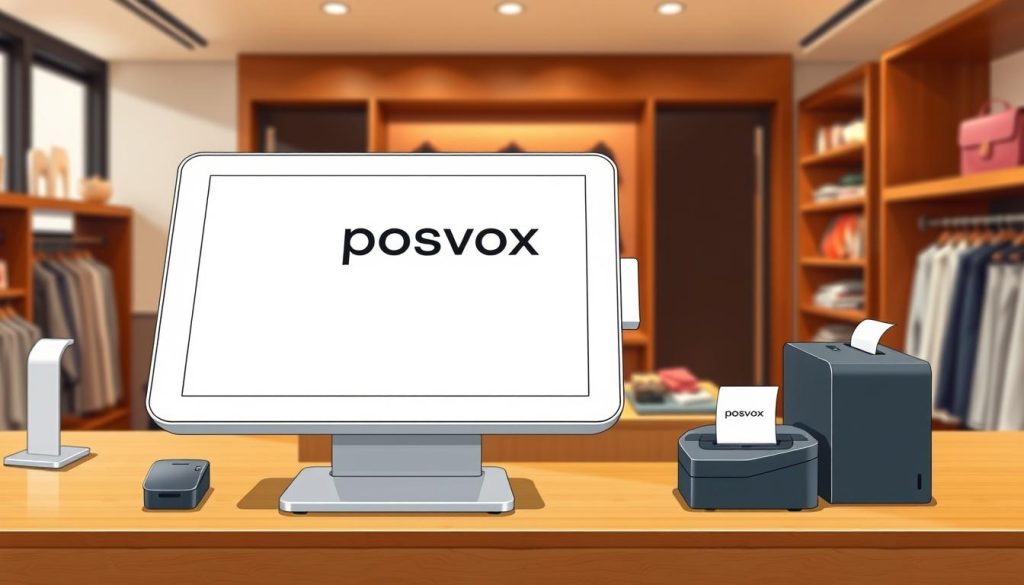
Selecting Sleek Terminals That Complement Store Decor
High-end boutiques focus on atmosphere, and the checkout area is key. Pick sleek, low-profile terminals for a clean look. Think about these when picking your gear:
- Color coordination: Choose matte finishes or colors that match your brand.
- Cable management: Use stands to hide wires and keep counters neat.
- Compact footprints: Go for small devices to save space.
Ensuring Hardware Reliability During Peak Shopping Seasons
Beauty is important, but your retail technology must also be durable. High-traffic times like holidays put a lot of stress on your systems. Choose devices with strong parts to avoid breakdowns.
Reliable tech means smooth transactions. Look for devices with robust build quality and good support. This lets your team focus on customers, not tech issues.
The Role of Wireless Connectivity in Floor Mobility
The modern boutique experience is all about being flexible and personal. Mobile POS hardware lets your team take payments anywhere. This retail technology makes service faster and more personal.
“True luxury is defined by the seamless nature of the service provided to the client, where technology empowers the staff to be present and attentive.”
Wireless tech lets your team check stock, give advice, and make sales without leaving the customer. This flexibility is key to top service in today’s market.
Mastering Inventory Management for Luxury Goods
Your boutique inventory management is key to keeping those 43% profit margins safe. In high-end retail, every item is a big deal. You need to track your stock well to keep your money working for you.
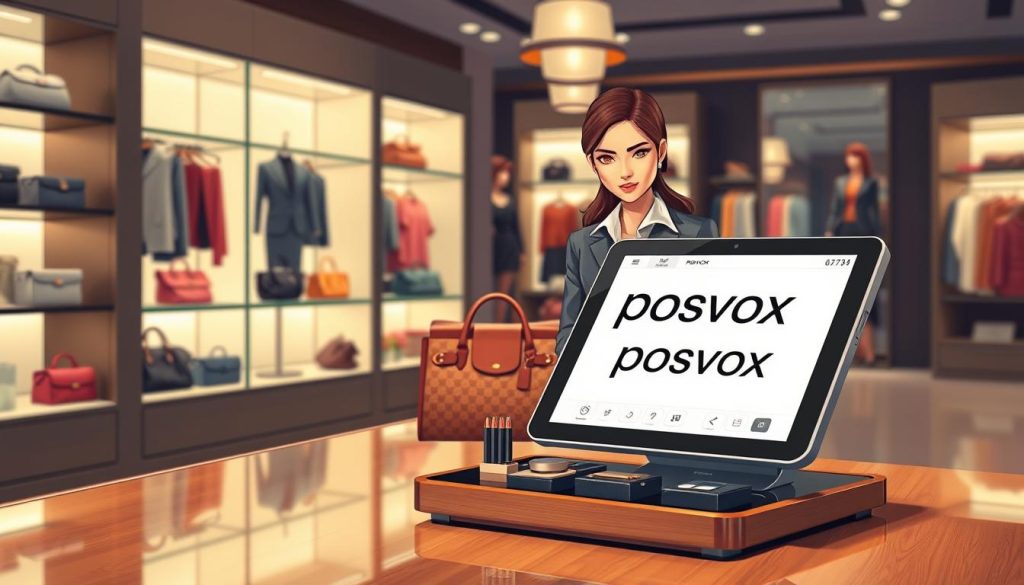
Tracking Unique Serial Numbers and High-Value Items
Luxury items need extra care. POS software helps by giving each item a special number. This way, you can keep an eye on every piece from the start.
Security and accountability are very important for luxury items. Tracking each item stops shrinkage and keeps a clear record. This makes managing your high-value items worry-free.
Automating Reorder Points to Prevent Stockouts
Keeping the right amount of stock is key to happy customers. POS software helps by setting up automatic orders. When it’s time to restock, you get a notice before it’s too late.
Utilizing Matrix Inventory for Sizes and Colors
Handling many product options can be tough. POS software makes it easier with matrix inventory. It groups sizes and colors together, making things simpler for you and your team.
This organized approach saves time during busy times. It lets your team focus on giving great customer service.
Integrating Omnichannel Sales Strategies
Mastering omnichannel retail helps your boutique grow in a tough market. It makes sure your brand is easy to find, no matter how customers shop. This way, your business can grow well in today’s world.
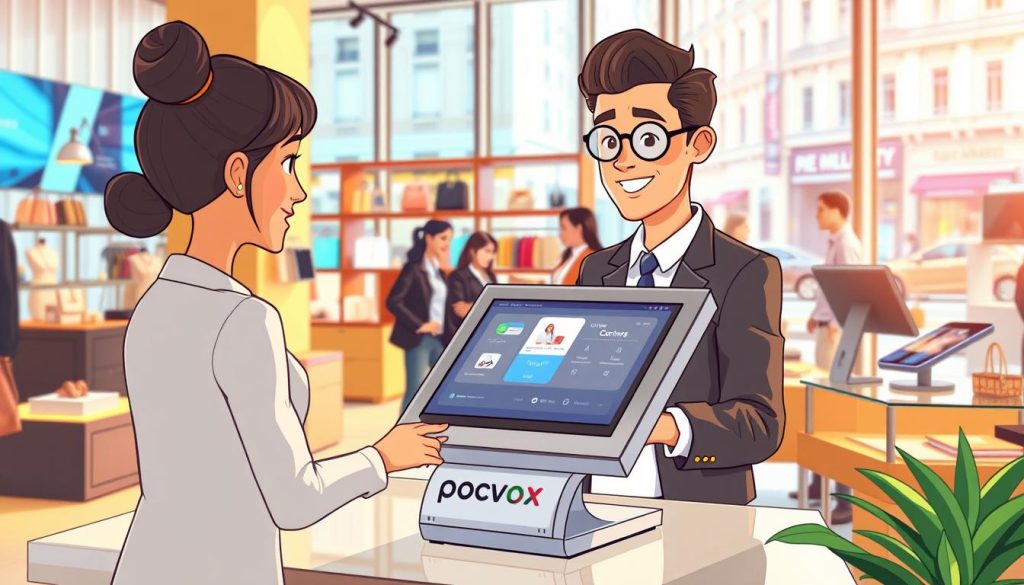
Synchronizing In-Store and Online Inventory Databases
Having real-time data is key to success. When your store and website share the same info, you avoid selling out. This builds customer trust and stops canceled orders.
Automated updates show every sale right away. This helps you manage stock and buy for the seasons. Accurate data is key to running smoothly.
Implementing Click-and-Collect Workflows for Local Customers
Today’s shoppers love easy shopping. ‘Buy online, pick up in store’ (BOPIS) is a must. It brings online shoppers to your store, where they might buy more.
Your team needs a clear dashboard for pickup alerts. This makes sure items are ready, giving your store an edge.
Managing Returns Across Multiple Sales Channels
A good return policy keeps customers happy. They should be able to return online buys to your store easily. Centralizing returns helps you restock fast and keep inventory right.
| Feature | In-Store Only | Omnichannel |
|---|---|---|
| Inventory Sync | Manual/Delayed | Real-Time |
| Customer Experience | Isolated | Seamless |
| Return Flexibility | Limited | High |
| Growth Potentia | Stagnant | Scalable |
Prioritizing Customer Relationship Management and Loyalty
Building strong bonds with your customers is key for any successful boutique. The right tech turns simple buys into meaningful relationships. This leads to lasting success. Good customer relationship management is the base for growing your boutique in a tough market.

Building Detailed Client Profiles for Personalized Service
Your POS system is like a digital memory for your team. It stores info like size, color, and past buys. This lets your team give bespoke recommendations every time.
When a customer comes in, your team can see their history on a tablet. This makes every visit feel special and right for the shopper’s style.
Automating Email Marketing Based on Purchase History
Manual emails take too much time for busy owners. Use your POS to send out emails that match your audience.
If someone bought a designer handbag, send them an email about matching accessories. This customer relationship management keeps your brand in mind without being too much.
Designing Exclusive Loyalty Programs for VIP Clients
It’s important to reward your most loyal customers. A good loyalty program makes them come back with exclusive perks they can’t find elsewhere.
- Early access to new collections.
- Invitations to private shopping events.
- Personal birthday or anniversary discounts.
Make your top clients feel special and you’ll keep their loyalty. Personalization is the best way to turn a one-time shopper into a loyal fan.
Analyzing Security and Payment Processing Standards
Keeping your boutique’s money safe is very important. It shows you care about your customers. A good retail POS system helps protect against bad guys online.
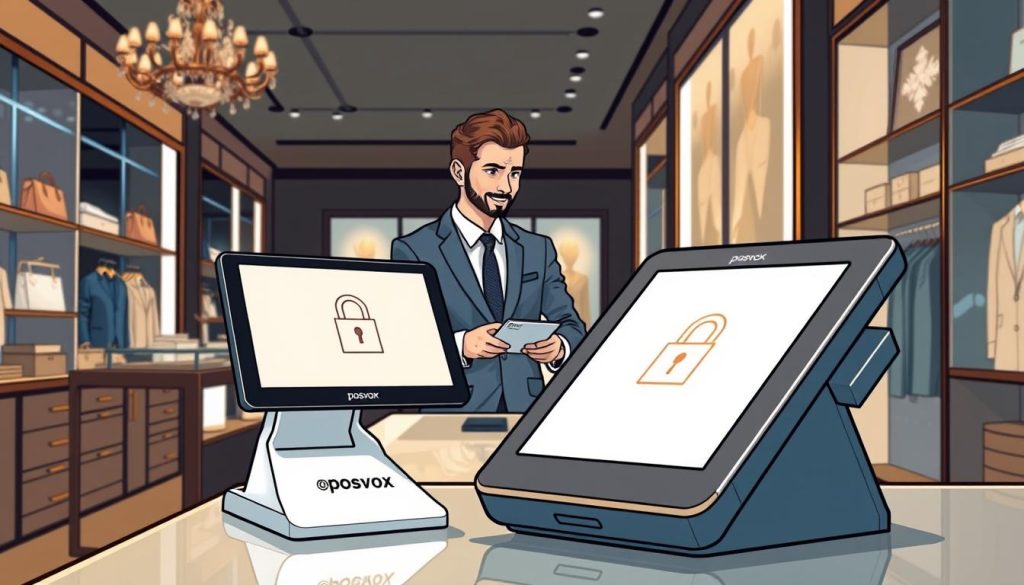
Ensuring EMV Compliance and Data Encryption
Following global security rules is a must for any business with credit card info. PCI DSS compliance is key to keeping customer data safe. Using end-to-end encryption makes sure hackers can’t read your data.
Here’s how to keep your POS security strong:
- Use EMV-certified chip readers to stop fake card scams.
- Make sure all staff use strong passwords.
- Keep your system software up to date to fix security holes.
Managing Fraud Prevention in High-Ticket Transactions
Expensive items draw in bad guys looking for ways to cheat. Good POS payment processing needs tools to catch fraud fast. Always check who’s making big buys to avoid problems later.
Here’s a table showing common risks and how to fight them:
| Risk Type | Impact Level | Mitigation Strategy |
|---|---|---|
| Card-Not-Present Fraud | High | Address Verification Service (AVS) |
| Counterfeit Cards | Medium | EMV Chip Authentication |
| Internal Theft | Medium | Role-Based Access Controls |
Understanding Transaction Fees and Merchant Account Stability
Who you choose to handle your payments affects your money. High-end shops need reliable POS payment processing. Clear fees help you avoid surprises that cut into your profits.
Look for payment providers that support big shops well. A stable account means your money gets to you on time. This lets you focus on giving great service. A solid retail POS system keeps your money safe and your good name intact.
Assessing Reporting and Data Analytics Capabilities
A top boutique turns numbers into growth plans. A cloud-based POS lets owners check their store’s health from anywhere. This means you stay connected to your store, no matter where you are.
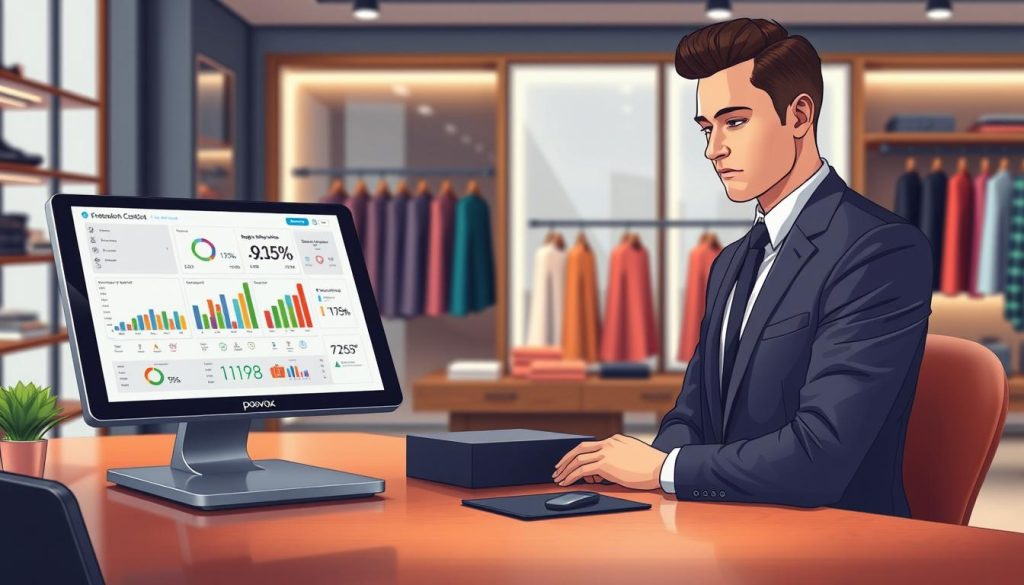
Generating Real-Time Sales Performance Dashboards
Modern systems have easy-to-use dashboards. They show daily sales, foot traffic, and conversion rates. You can see who’s doing well and adjust your store plan quickly.
Identifying Best-Selling Collections and Seasonal Trends
Good retail sales reporting helps keep your store stocked right. By looking at past data, you find out what sells best when. This helps avoid too much stock and makes sure you spend wisely.
Exporting Financial Data for Accounting Software Integration
Manual data entry wastes time and can be wrong. Most advanced systems let you send data to accounting software like QuickBooks. This makes keeping your finances in order easy and stress-free.
| Feature | Basic POS | Advanced Cloud POS |
|---|---|---|
| Real-time Analytics | Limited | Comprehensive |
| Trend Forecasting | Manual | Automated |
| Accounting Sync | CSV Export | Direct API |
| Data Accessibility | Local Only | Anywhere |
Managing Staff Training and System Implementation
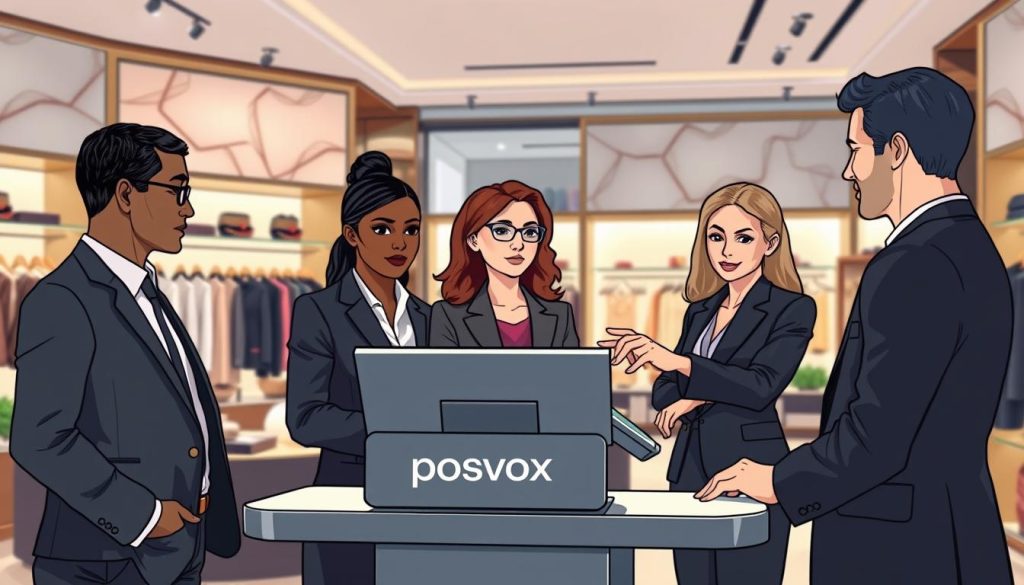
Setting up your retail tech is just the start. The real key to success is your team. A good POS implementation means more than just software. It means training your staff well.
When your team is confident, they give your customers a better experience. This is very important for luxury clients.
Creating Intuitive Workflows to Reduce Onboarding Time
Systems that are too complex can be frustrating. But, simple workflows make daily tasks easier. By making the interface simple, your team can focus on the customer experience.
This makes training new staff faster.
Here are some tips to make your work easier:
- Make simple “cheat sheets” for common tasks.
- Use touch-screen layouts that match your store’s layout.
- Practice with real POS hardware before going live.
Setting User Permissions to Protect Sensitive Data
Keeping your POS security high is very important in luxury. You need to make sure each team member only sees what they need to. This stops mistakes and keeps client info safe.
Give each staff member the right to do their job. For example, sales staff can make sales, but only managers can handle refunds. This keeps your data safe.
Establishing Support Protocols for Technical Troubleshooting
Even the best systems can have problems during POS payment processing. Having a clear plan for fixing issues helps. It keeps your business running smoothly, even when things go wrong.
Here’s what your plan should include:
- Have a “super-user” on every shift for basic fixes.
- Keep a list of your software provider’s support numbers.
- Have a guide for common errors and how to fix them.
Conclusion
Choosing the right POS for boutiques is a smart move. It makes your business run smoothly and grow over time. The tech you pick affects how well you do daily tasks and connect with customers.
Knowing how to manage your stock is key. It helps you keep the right amount of items and save money. A good POS lets you sell online and in-store, making shopping easy for everyone.
Good sales reports help you make smart choices for your business. You can spot trends early and plan ahead. This way, you can grow your business in a smart way.
Keeping customers happy is important. Your POS helps you do this by making every sale feel special. It lets your team focus on giving great service, not dealing with old software.
Check your digital setup now. The right tools help you lead in your field. Your boutique needs a system that works as hard as you do to be the best.