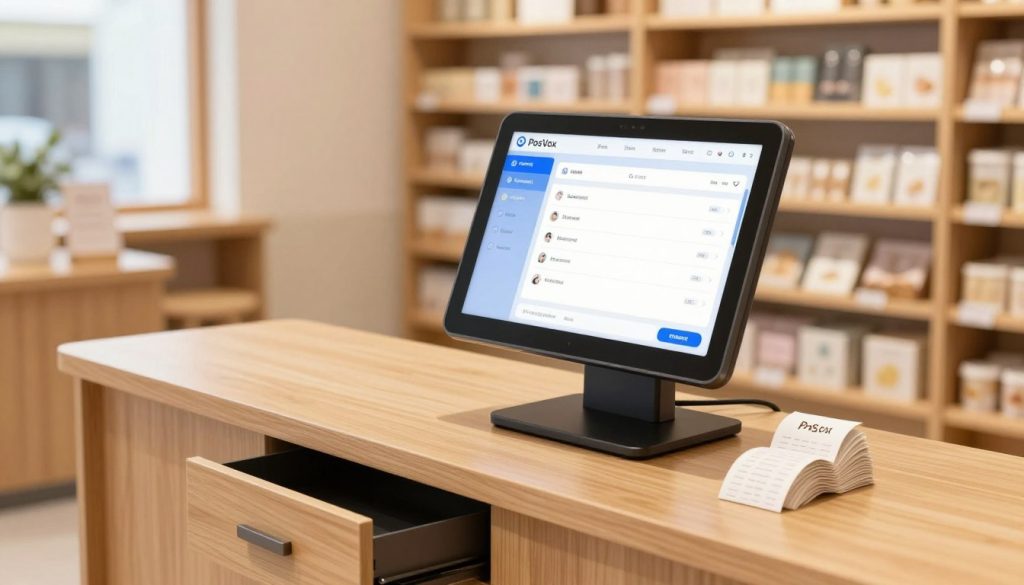
Peter Drucker said, “Efficiency is doing things right; effectiveness is doing the right things.” Today, we need restaurant technology to do both well. A good restaurant manages orders fast and accurately.
It’s time to say goodbye to messy paper tickets. A top-notch restaurant kitchen display system changes how your team works. It makes sure every dish is made right and served on time.
This change cuts down on mistakes and makes things better. With a digital display, your team knows what’s happening with orders right away. This operational upgrade makes guests happier and your business more profitable.
Key Takeaways of Kitchen Display System
- Digital tools replace outdated paper tickets to minimize errors.
- Real-time tracking improves staff communication and workflow speed.
- Modern solutions are essential for maintaining competitive service standards.
- Enhanced accuracy leads to higher levels of guest satisfaction.
- Investing in digital infrastructure secures long-term operational success.
The Evolution of Kitchen Communication
We’ve seen big changes in how orders move from the dining room to the kitchen. For a long time, we used paper and pens. This made it hard for staff to keep up during busy times.
Lost tickets and misread orders made things worse. Servers had trouble knowing where orders were. Chefs had to deal with lots of paper, making things messy and slow.
Now, we use digital kitchen displays to change how we work. This makes orders move quickly from the front to the back of the house. It’s a big change for restaurants that can’t wait anymore.
Using a digital kitchen display helps everyone see orders clearly. It cuts down on mistakes and makes service smoother. This tech is now a must for restaurants to keep up with the fast pace of today’s market.
Why We Believe a Restaurant Kitchen Display System is Essential
Running a busy kitchen needs more than just cooking skills. It needs a digital center to keep all orders in line. With more people eating out, takeout, and delivery, managing restaurant operations is harder than ever. We think a restaurant kitchen display system is key to handling these challenges.
Without a single digital place, staff can’t keep up with all the orders. This mess leads to missed items and unhappy customers. A restaurant kitchen display system makes sure all orders are clear, in order, and tracked well.
“Technology is best when it brings people together and simplifies the chaos of a high-pressure environment.”
We see predictability as the heart of a good food service business. When your team uses a digital tool, mistakes happen less often. This makes restaurant operations more consistent than old paper systems.
We see this tech as a non-negotiable investment for any serious place. It lets your team focus on making great food for everyone. Going digital is the best way to stay ahead in a tough market.
Eliminating Paper Ticket Chaos
Thermal paper costs a lot and slows things down. In busy places, tickets often get lost or damaged. A digital kitchen display can fix this problem.
The Environmental and Financial Cost of Thermal Paper
Many people don’t think about the cost of printing. Thermal paper rolls keep coming back. This adds up a lot over time. It also hurts the environment.
- Recurring supply costs: Constantly buying thermal paper rolls.
- Waste management: Lots of paper that can’t be recycled.
- Maintenance: Kitchen printers break down a lot.
Printer problems cost a lot too. When a printer breaks, the kitchen stops. Here’s how paper and digital systems compare:
| Feature | Paper Tickets | Digital Display |
|---|---|---|
| Reliability | Low (Jams/Loss) | High (Cloud-based) |
| Cost | Ongoing (Supplies) | Fixed (Hardware) |
| Sustainability | High Waste | Eco-Friendly |
Improving Order Accuracy and Reducing Waste
Digital systems make orders clear and easy to read. This means fewer mistakes. Chefs can make food right the first time.
Less mistakes mean less waste and lower costs. A streamlined digital interface helps everyone work together. This makes sure food is made just right.
Real-Time Data Analytics for Kitchen Performance
We think data is key to better kitchen performance. By not using manual tracking, we can see what’s happening in the kitchen. This helps us make smart choices that boost our profits.
Using kitchen analytics lets us see how our team works when it’s busy. With live data, we don’t have to guess anymore. We can make our kitchen run better.
Tracking Ticket Times and Throughput
Watching kitchen throughput shows us how busy we are. We track orders per hour to set goals for our team. This helps us know when we’re too busy.
We also check how long each dish takes. Knowing this helps us meet guest expectations. Kitchen efficiency gets better when everyone knows the timing.
Identifying Bottlenecks in Food Preparation
Even top teams face problems on busy nights. Our digital tools help us find where delays happen. We can then fix these spots to keep things moving.
Spotting these issues early helps us avoid big problems. We can fix small delays before they slow us down. This keeps our kitchen throughput high and profits up.
Enhancing Front-of-House and Back-of-House Synergy
Good kitchen communication is key for a top restaurant. When teams don’t talk, service gets bad. Digital tools help keep everyone on the same page.
Streamlining Communication Between Servers and Chefs
Old ways can cause mistakes or lost orders. A digital display fixes this. It lets servers and chefs work better together.
Orders go straight to the kitchen. This cuts down on mistakes. It makes everyone less stressed.
Managing Order Pacing and Course Timing
Getting courses right is important. A digital tool helps the kitchen keep track. This makes sure food comes out right.
Proper course timing means food is just right. The kitchen can keep up with the dining room. This makes meals better for guests.
Customization Options for Diverse Culinary Workflows
Your kitchen workflow is key to your business. It needs a system that fits your needs. Every restaurant is different, and your tech should show that.
By making your digital interface your own, your team can focus on making great food. This is what your guests want.
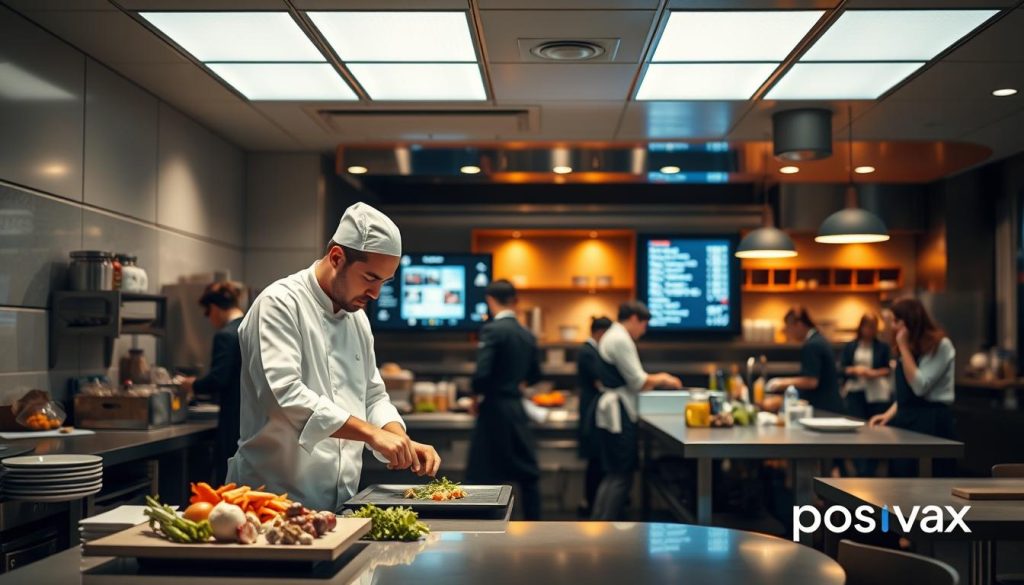
Configuring Displays for Quick Service Environments
In fast places, time is money. We suggest making your displays simple and quick. This lets staff clear orders fast.
A good kitchen workflow in quick-service places has these features:
- Big, easy-to-read fonts.
- Color timers for when orders are due.
- Orders get bumped when needed.
“Efficiency is not just about moving faster; it is about removing the friction that prevents your team from performing at their best.”
Adapting Interfaces for Fine Dining Complexity
Fine dining needs a special way to manage orders. Unlike fast places, these kitchens handle many things at once. A smart kitchen workflow helps chefs manage this.
You can make your interface show items by course or station. This way, appetizers, main dishes, and desserts are ready together. By optimizing your display layout, your team can handle complex menus well.
This makes your kitchen workflow run smoothly, no matter how detailed your service is.
The Role of KDS in Managing Off-Premise Orders
Off-premise dining has changed how we run our kitchens. Restaurants now serve guests both in and out. They need a strong system to handle all orders well and fast.
Integrating Third-Party Delivery Platforms
Managing many delivery apps can make the counter messy. POS integration helps by sending all orders to our digital system. This cuts down on mistakes made by people.
Our systems talk to each other smoothly. This means the kitchen gets orders in a clear way. Chefs can cook without worrying about tech. It makes moving from order to food prep easier.
Prioritizing Online Orders Alongside Dine-In Requests
Handling dine-in and takeout at the same time is tricky. Our systems help manage this by setting rules for busy times. This way, the kitchen stays on track.
Seeing all orders on one screen helps the team plan. They can focus on when food needs to be ready. This keeps food quality high for everyone, whether they eat in or take out. Here’s how using a KDS system helps:
| Feature | Manual Management | Integrated KDS |
|---|---|---|
| Order Entry | High risk of error | Automated accuracy |
| Kitchen Throughput | Often inconsistent | Optimized and steady |
| Staff Stress | High during peaks | Reduced via POS integration |
| Data Tracking | Limited or none | Real-time analytics |
Improving Staff Morale and Retention
Digital tools change how your kitchen staff works. They make the kitchen workflow better. This helps your team focus on their work, not on mess.
This change helps keep your team happy and working well. It’s a great way to keep good staff in a tough job market.
Reducing Stress During Peak Service Hours
Kitchens can be very loud and busy. This can make cooks very tired and stressed. Using digital tools makes things quieter and clearer.
With digital systems, chefs get clear instructions. This makes them work better. A famous chef says, “A quiet kitchen makes better food.”
Creating a More Organized and Predictable Work Environment
A good workplace is predictable. When things are clear, staff feel in control. Handling off-premise orders and dine-in orders is easier.
Digital tools make things clear for staff. They know what to do first. This makes the kitchen a better place to work.
| Feature | Traditional Paper System | Digital KDS |
|---|---|---|
| Communication | Shouting and verbal cues | Visual, silent updates |
| Order Tracking | Manual ticket sorting | Automated prioritization |
| Stress Levels | High due to chaos | Low due to clarity |
| Staff Morale | Often low | Significantly higher |
Investing in tech is good for your team. It makes the kitchen workflow smoother. It also helps with off-premise orders.
Keeping your team happy is the best thing you can do. Using the right tools is a smart choice for any restaurant.
Scalability and Hardware Considerations
As your restaurant group grows, the right kitchen hardware is key. It’s not just about looks. It’s about having tools that can handle the busy kitchen.
Planning for growth means starting with the right digital systems. Making smart choices now saves you from expensive updates later.
Choosing Between Ruggedized and Consumer-Grade Hardware
Deciding between tablets and ruggedized displays is important. Consumer-grade tablets might seem cheaper but aren’t as tough for busy kitchens.
Ruggedized hardware is made to handle grease, moisture, and heat. It lasts longer, saving you money and keeping your kitchen running smoothly.
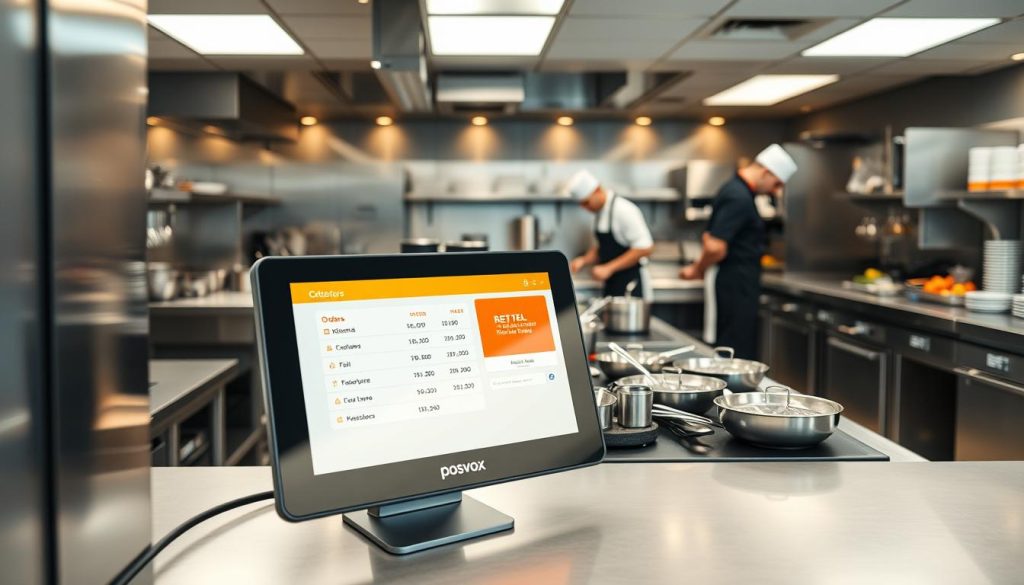
Choosing industrial-grade equipment makes your kitchen staff happy. It’s more expensive upfront but keeps your kitchen running smoothly, even when it’s busy.
Expanding Systems as Your Restaurant Group Grows
Scaling your restaurant group needs a unified tech approach. A smooth POS integration ensures orders go from the front to the kitchen smoothly, everywhere.
Centralized management lets you update menus and settings for all sites at once. This saves time and keeps your brand consistent everywhere.
Good POS integration also lets you see how different areas are doing. Standardizing your tech helps your business grow and stay efficient.
Security and Reliability in Digital Operations
We know how important your kitchen hardware is. It’s as key as your ingredients. Your restaurant operations need smooth digital flows, even when things get busy. You need a strong system for both staying connected and keeping data safe.
Ensuring Uptime During Internet Outages
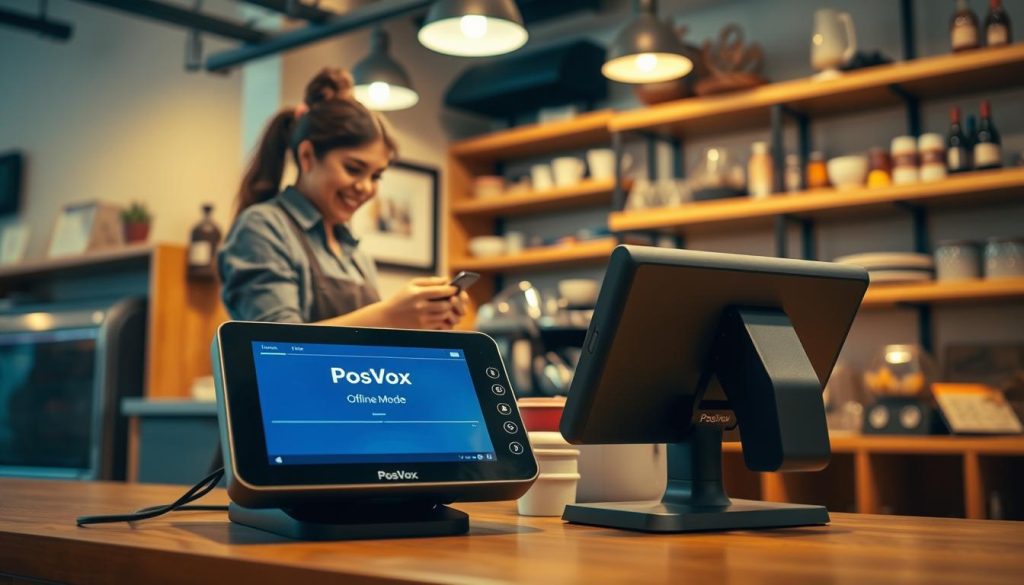
Your restaurant technology must work well, even with shaky internet. Many systems now sync with local networks. This means your screens keep working, even if the internet goes down.
This stops orders from freezing during busy times. When the internet comes back, everything syncs up again. This lets your team focus on cooking, not tech problems.
Protecting Sensitive Operational Data
Keeping your digital world safe is a must. Use systems that encrypt all data, keeping sales and customer info private. Also, update your software often to stay safe from threats.
Controlling who gets into your system is also key. Give each staff member their own login. This lets you watch who’s doing what and keeps your tech running smoothly.
| Feature | Standard System | Advanced KDS |
|---|---|---|
| Offline Capability | Limited | Full Local Sync |
| Data Encryption | Basic | End-to-End |
| Hardware Durability | Consumer-Grade | Ruggedized |
| Access Control | Shared Login | Role-Based |
The Long-Term Return on Investment
We often see tech as just an expense. But it’s really an investment in your restaurant’s future. Digital tools make daily operations a profitable asset. They give you data to make smart financial choices.
Calculating Labor Savings and Efficiency Gains
Boosting kitchen efficiency is key to getting a return. When staff don’t waste time on paper, they focus on food quality and speed. This means faster service and more money each day.
Kitchen analytics help you see how long dishes take. You can spot slow spots and adjust staff levels. This way, you save on labor costs and keep service high during busy times.
Justifying the Initial Capital Expenditure
The cost of new tech might seem high at first. But the savings on food waste and paper costs add up fast. Often, these savings pay for the tech in just one year.
Good kitchen management also keeps staff happy. A calm kitchen means less turnover. By using kitchen analytics to support your team, you build a stable, growing business. Investing in your kitchen today means a strong future for your restaurant.
Conclusion
Today’s dining needs speed and accuracy. A restaurant kitchen display system is key for success. It helps keep up with what customers want.
This tech is essential for lasting success. It makes sure orders are right, which makes guests trust you. It’s the base for growing and doing well in your business.
Seeing this as a smart choice, not just a cost, is important. A good kitchen display system makes your business ready for the future. It keeps orders right, which makes your kitchen run smoothly.
Start making your kitchen better today. Talk to your tech team about adding this system. It will help your staff and your profits grow.